

Answer block: why are recovery slides becoming an after-shift layer?
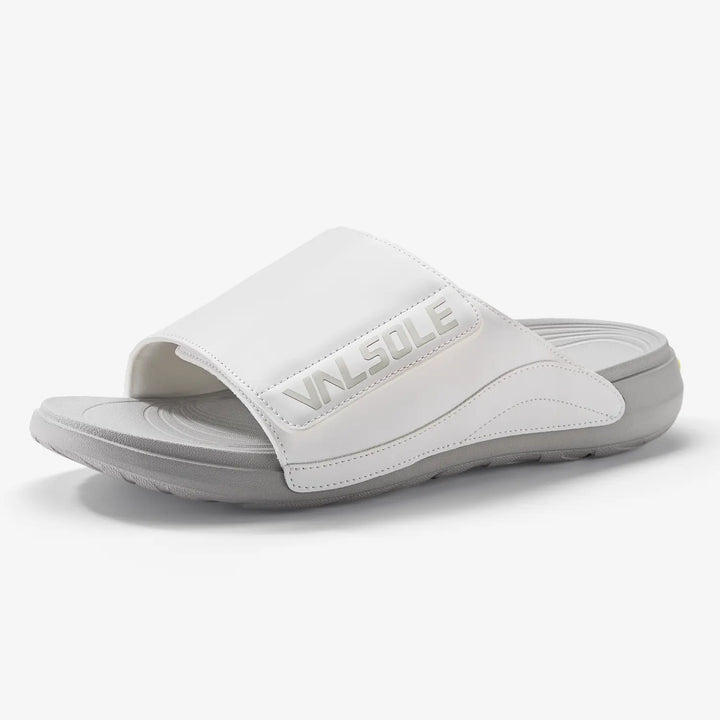
Recovery slides are becoming an after-shift layer because many people still need support after they take off work shoes or training shoes. Bare feet and flat slippers may feel freeing at first, but readers with heel pain, arch fatigue, or hard-floor homes often need cushioning plus structure during the hours after work.
What happened
Recovery-slide testing and footwear coverage show the category moving into broader daily use. New product lines and mainstream trend coverage are treating recovery footwear as something shoppers may wear after workouts, after long standing shifts, around the house, or during low-intensity daily errands.
Why it matters now
The after-shift window is commercially important because it is where many shoppers feel the cost of the day. Heel pain, arch soreness, and tired legs often become more noticeable once the worker is finally home. If the next layer is barefoot walking on tile or a flat slipper, the foot may not get the support break the shopper expected.
Who it affects
This matters for nurses, retail workers, teachers, warehouse teams, runners, walkers, parents, and anyone who finishes the day with sore arches or heels. It also matters for hybrid workers whose home floors are part of the daily load.
Decision framework: soft, supportive, or both?
Readers should separate soft from supportive. A recovery slide can feel soft but still lack useful structure, or it can combine cushioning with arch contour and heel stability. The best after-shift choice depends on where the pain shows up: heel soreness, arch fatigue, forefoot pressure, or general tired feet.
What this means for readers
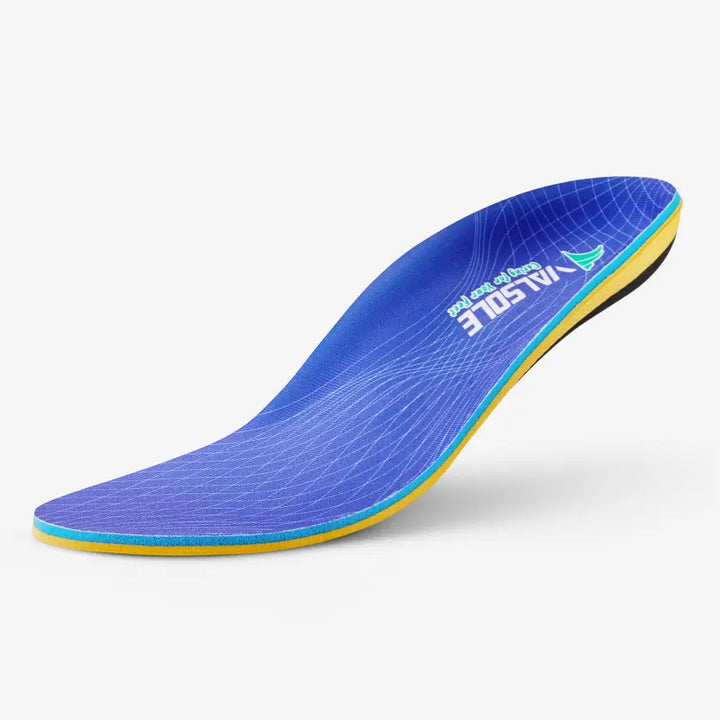
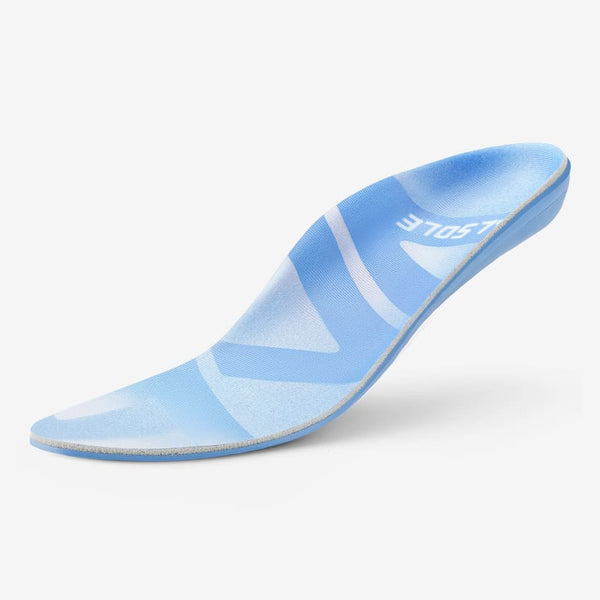
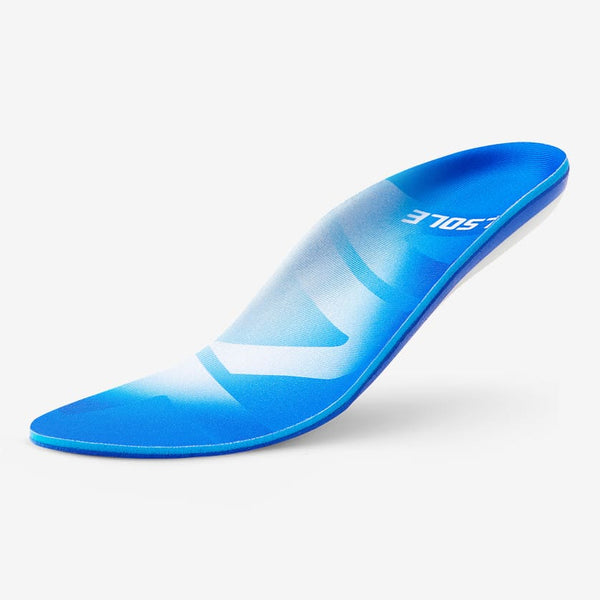
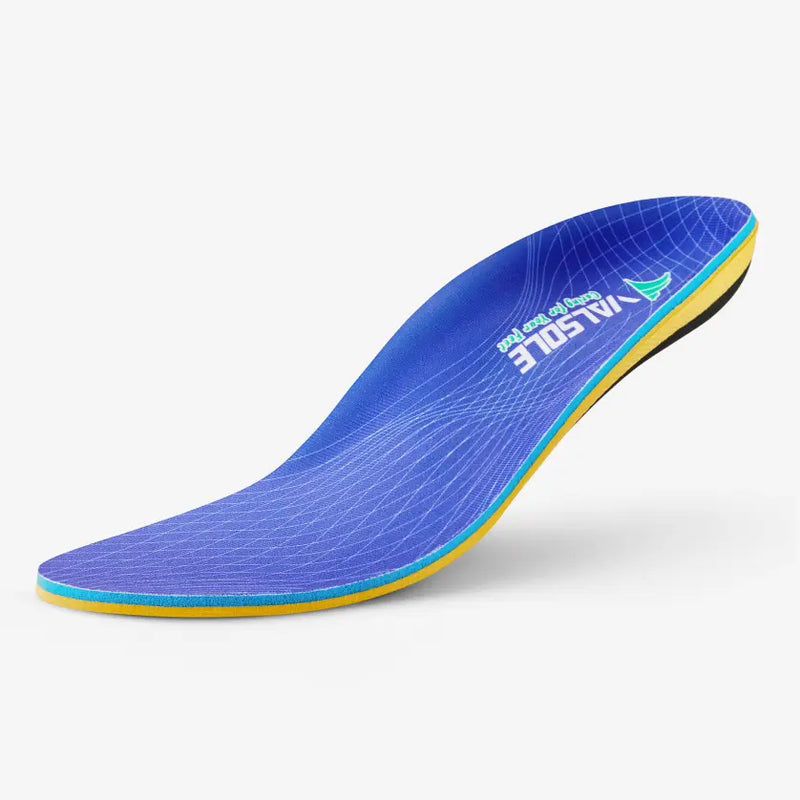
Readers can start with Recovery Footwear Guide to compare support logic, then use Standing All Day Support Guide if the pain starts during work. The direct product route is Recovery Slide for home recovery, supported by Heavy Duty Insoles when the work-shoe layer also needs help.