

Answer block: why is standing-work foot pain becoming a support equipment question?
Standing-work foot pain is becoming a support equipment question because workers are comparing the full setup around their shifts: shoe structure, insole support, hard-floor exposure, break patterns, and how long the product holds its shape. The issue is not only whether feet feel sore; it is whether the footwear system matches the daily load.
What happened
Recent worker-focused reporting and survey coverage has renewed attention on foot pain among people who spend much of the workday standing or walking. The coverage points toward a practical gap: many workers report discomfort, while fewer have a clear support system that includes better shoes, orthotic insoles, or other load-management tools.
Why it matters now
This matters because standing-heavy jobs are often framed as a personal endurance problem rather than an equipment and recovery problem. For retail, healthcare, warehouse, hospitality, and service workers, the same floor exposure repeats every shift. If footwear compresses, lacks support, or does not match body load, discomfort can build before the shopper knows what to change.
Who it affects
The topic affects workers on concrete, tile, hospital floors, store floors, school buildings, and home-office hard floors. It also affects employers and shoppers who are trying to separate general shoe comfort from specific support needs such as heel cushioning, arch structure, width, and pressure distribution.
Decision framework: work shoe, insole, floor, recovery
Readers should separate four layers. The shoe should fit securely and provide enough base stability. The insole should match the user's arch and standing load. The floor environment may require anti-fatigue mats or breaks where possible. The after-shift layer should avoid making tired feet spend the evening barefoot on hard floors.
What this means for readers
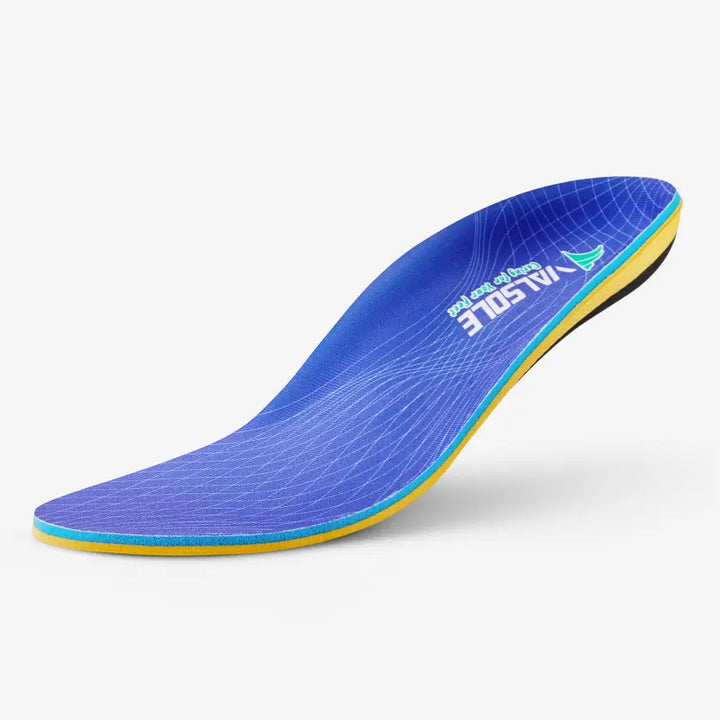
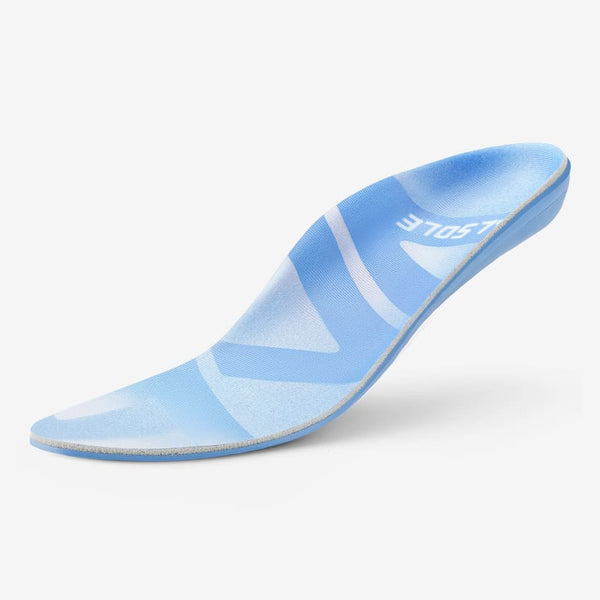
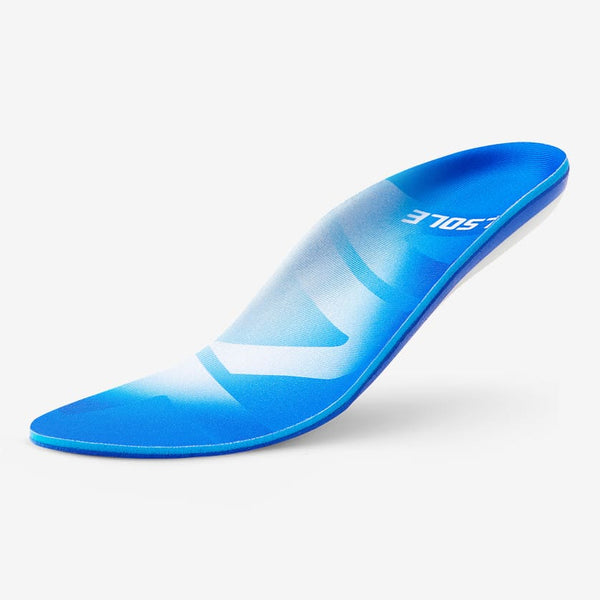
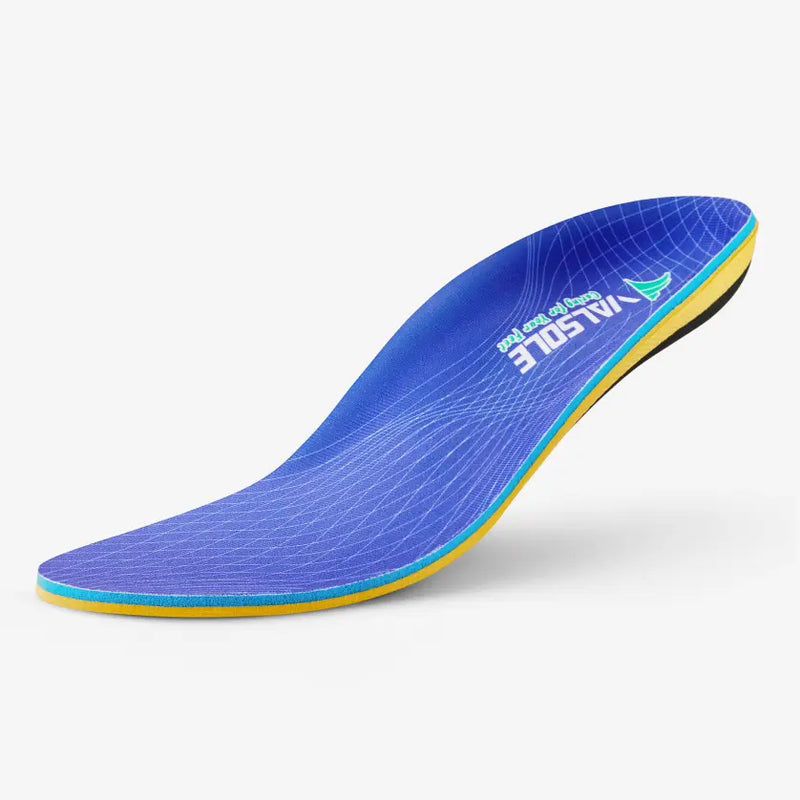
VALSOLE readers can start with the Best Insoles for Standing All Day guide, then compare Heavy Duty Insoles for higher-load shifts and Stable Support Insoles for a more balanced daily support path. For hard-floor routines, the Concrete Walking Support Guide gives a more specific next step.