





Quick Answer: Running Orthoses and Joint Moments
Biomechanical research suggests that contoured foot orthoses can alter rearfoot kinematics and help manage joint stress during running. According to a study published in Clinical Biomechanics, using foot orthoses significantly reduces joint inversion moments during the running gait cycle. By managing rearfoot alignment, supportive insoles serve as an effective option to optimize walking and running comfort.
Understanding Joint Kinematics and Running Force
During active running, the foot experiences impact forces equal to several times body weight. If the heel strikes the ground in an unbalanced position, it can lead to excessive rearfoot inversion (outward tilt) or eversion (inward roll), transferring rotational stress up the tibia to the knee. This repetitive joint stress is a common source of lower limb fatigue. Kinematic analysis demonstrates that contoured shoe inserts support the foot arch and stabilize the heel, managing joint rotation during impact.
Managing Active Load and Comfort
The study highlights that structured underfoot inserts help modify loading rates and rearfoot moments. By providing a semi-rigid support structure under the arch and rearfoot, orthotic insoles distribute impact forces across a larger surface area. This offloading effect reduces localized pressure on the heel, managing muscle fatigue and supporting dynamic foot comfort during high-impact activities like running or brisk walking.
VALSOLE Support Path
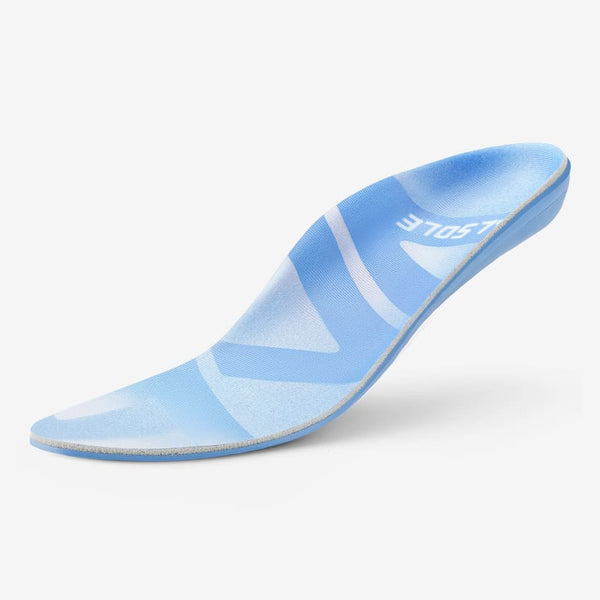
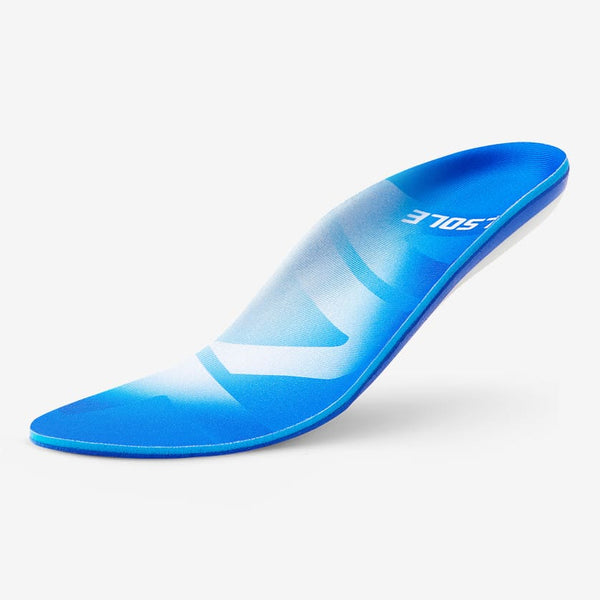
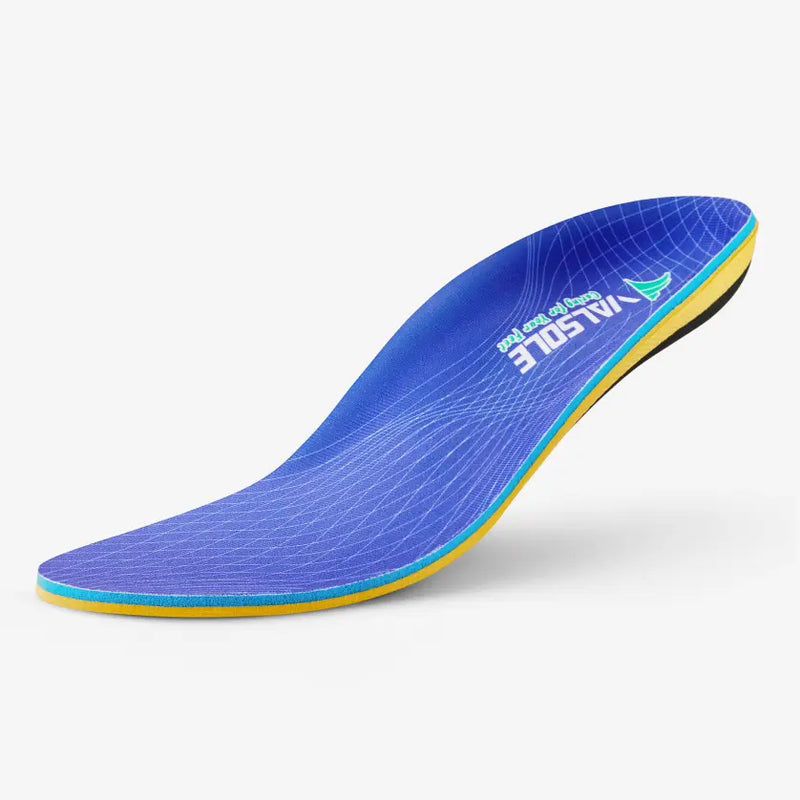
For runners and active individuals seeking to manage daily joint stress and support foot alignment, selecting a supportive insert is a practical option. You can browse the VALSOLE Arch Support Collection to explore structured insoles. For a balanced design featuring a firm nylon arch shell and shock-absorbing cushioning to support athletic comfort, the VALSOLE Stable Support Insole is designed to help maintain underfoot comfort. To find the optimal fit for your foot structure, visit the VALSOLE Quick Match Guide.
Consumer Choice and Professional Care
When selecting insoles for active running, look for designs that combine structural arch guidance with shock-absorbing foam to manage heel impact. If you experience chronic, severe, or worsening lower extremity pain, please consult a qualified sports medicine specialist or podiatrist for a personalized assessment.


