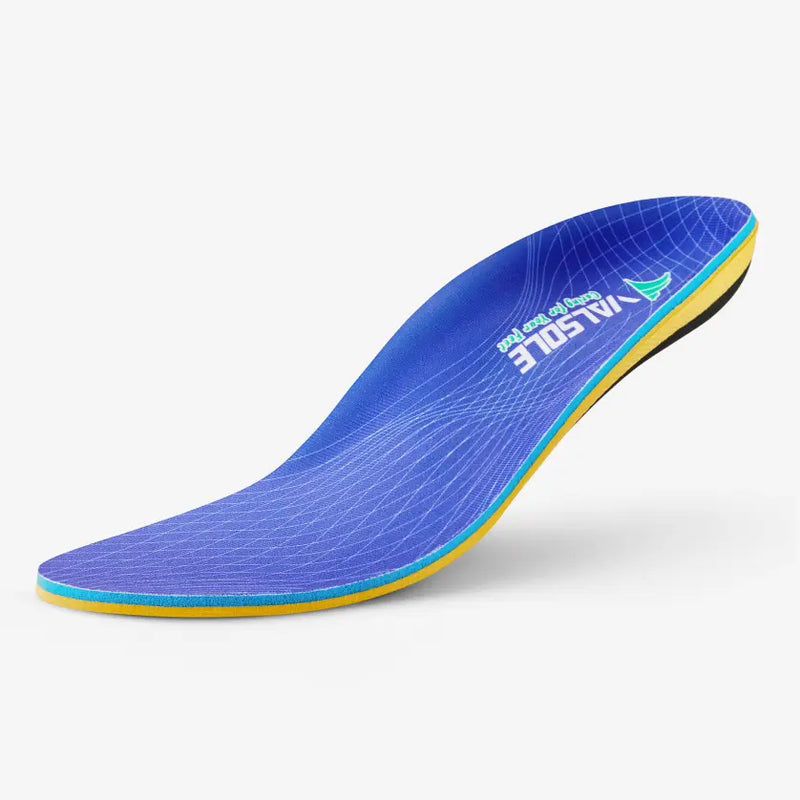


Answer block: why can flip-flop pain show up so quickly?
Flip-flop pain often shows up after the first long summer weekend because many flat sandals provide little arch support, limited heel control, and poor structure for repeated pavement walking. A pair that feels easy for a short errand can become a heel or arch problem when the day turns into thousands of steps on concrete, boardwalks, airports, or parking lots.
What happened
Summer footwear coverage and podiatry guidance are again warning shoppers about the same seasonal pattern: people leave supportive daily shoes behind, spend a weekend in flat flip-flops, and then notice heel soreness, arch strain, or first-step pain the next morning. The problem is not open footwear by itself. The problem is open footwear that asks the foot to grip, stabilize, and absorb impact without enough structure.
Why it matters now
May and June are the transition point when shoppers buy sandals for vacations, graduations, outdoor events, and hotter commutes. The first long weekend is often the first real stress test. Podiatry sources commonly flag thin flip-flops as a risk for plantar fascia irritation because they combine low support with a high step count and hard surfaces.
Who it affects
The risk is higher for readers with plantar fasciitis history, flat feet, high arches, heel spurs, long-shift fatigue, or a sudden jump in walking volume. It also affects shoppers who spend the workweek in supportive shoes but switch to flat sandals for every weekend activity, removing the support layer just when walking volume increases.
Decision framework: what to check before the next walk
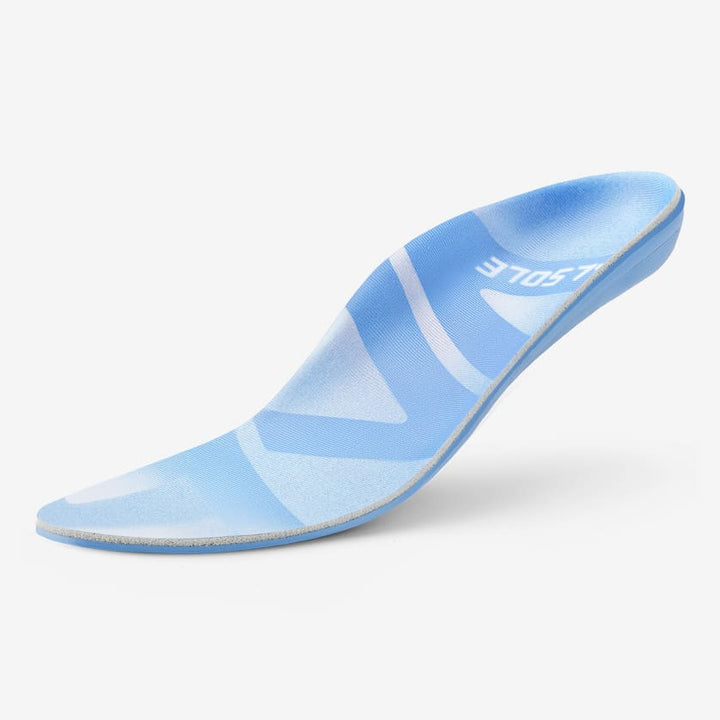
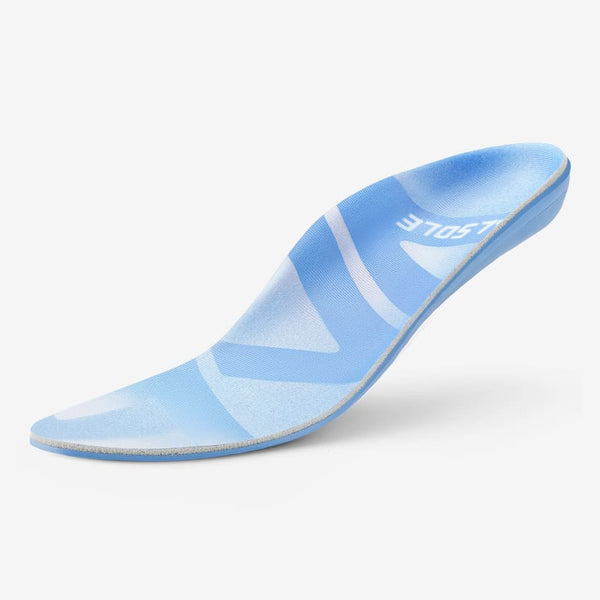
Readers should check four signals before using flip-flops for a full day: whether the sandal has a shaped arch, whether the heel feels centered instead of sliding, whether the sole resists folding through the middle, and whether the strap keeps the foot from clawing to hold the shoe on. If the sandal fails these checks, use it only for short, low-load moments and choose a more supportive option for real walking.
What this means for readers
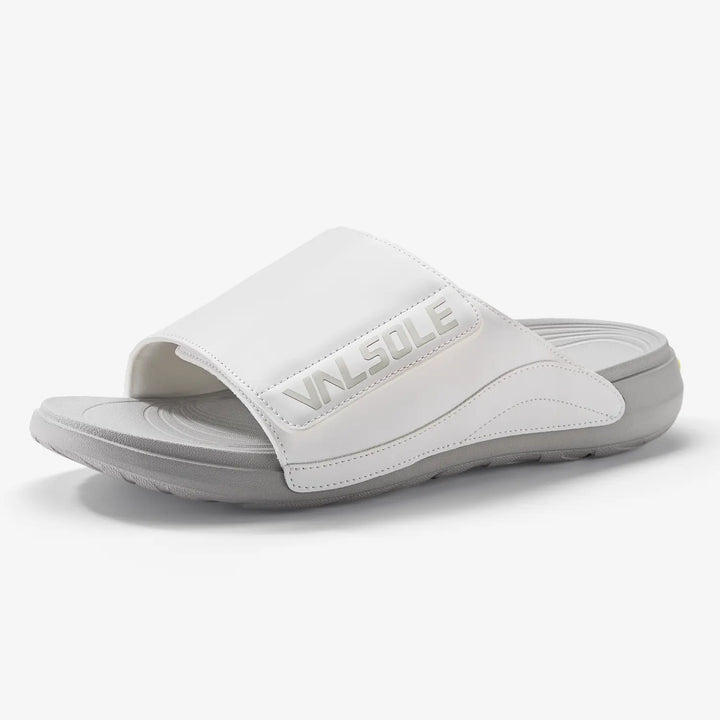
Summer comfort should be judged after the walk, not only at try-on. Shoppers comparing warm-weather footwear can start with Best Sandals for Plantar Fasciitis, use Orthopedic Sandals for Women for support criteria, and route lighter summer use toward Propel Flip. For after-walk recovery or hard-floor home use, Recovery Slide is the stronger recovery path.