

Answer block: what is changing in sandal searches?
Support-first sandal searches are moving away from generic comfort claims and toward clearer proof of arch support, heel stability, and all-day walking reliability. For shoppers with sore arches, heel pain, plantar fasciitis concerns, or hard-floor fatigue, the winning page is usually the one that explains what the sandal does after hours of wear, not just how soft it feels at try-on.
The user pain behind the click shift
Warm-weather footwear creates a familiar problem: shoppers want open, easy sandals, but many lightweight pairs feel unstable by the end of a workday, shopping trip, commute, or long walk on pavement. The search behavior behind support-first wording often comes from people who are trying to avoid the thin-sole, no-arch, sore-heel cycle without moving all the way back into closed shoes.
Decision framework: what shoppers compare first
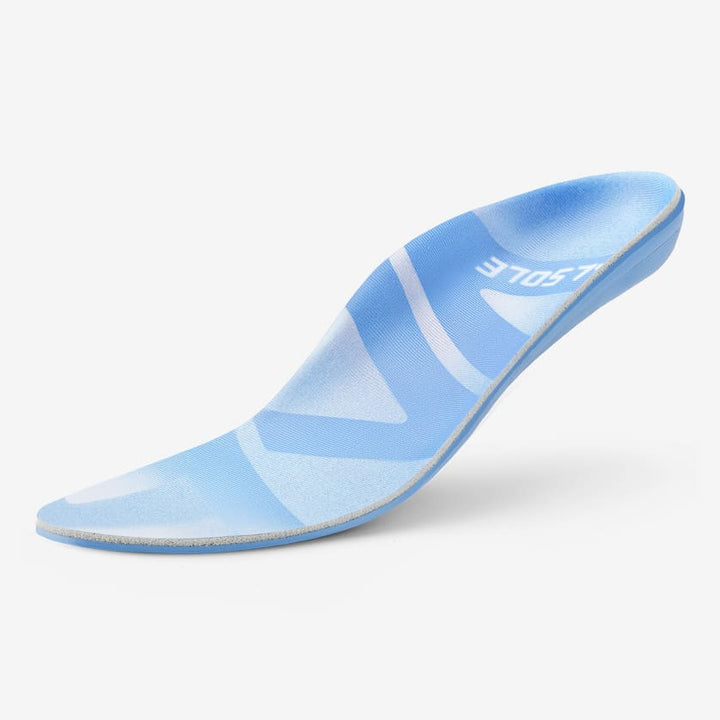
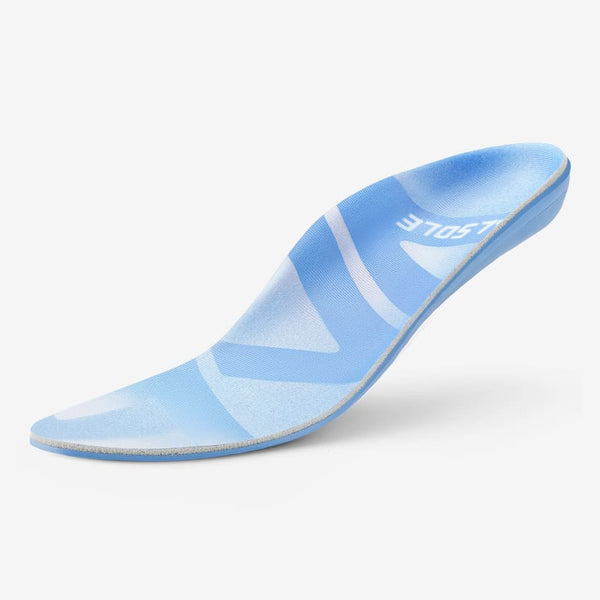
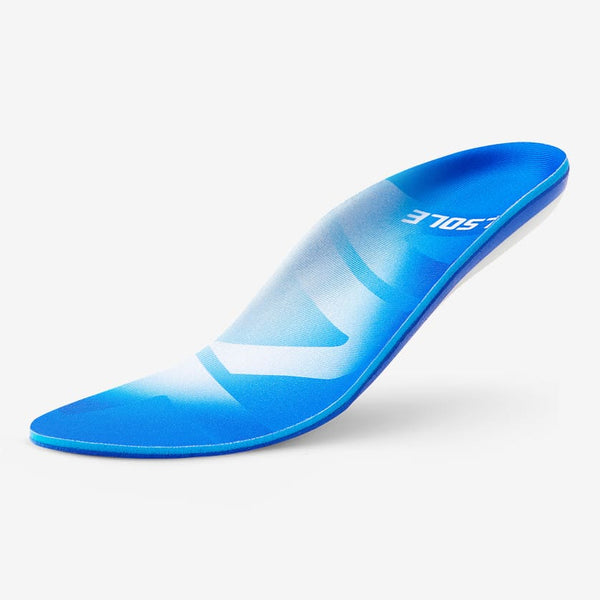
The strongest support-first sandal pages should help shoppers compare four signals quickly: whether the arch shape stays useful after extended walking, whether the heel feels centered instead of sliding, whether the sole has enough structure for hard floors, and whether the style still works for daily summer use. This is the point where pages about Orthopedic Sandals for Women and Best Sandals for Plantar Fasciitis can capture stronger commercial intent than broad comfort articles.
Where VALSOLE should route this demand
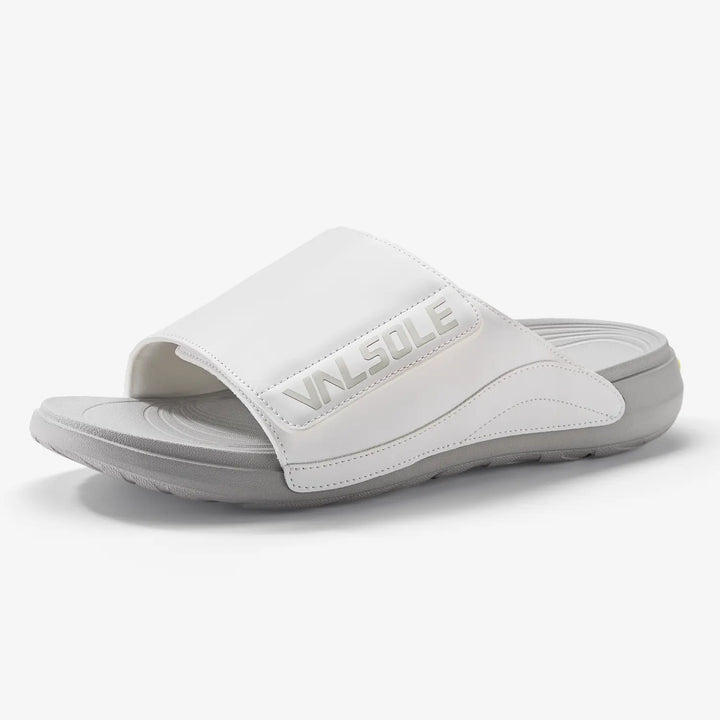
This topic should connect directly into Walking Support Guide and Standing All Day Support Guide for shoppers still diagnosing the problem. From there, the commercial path should stay short: Recovery Slide for at-home and post-shift recovery, and Propel Flip for lighter everyday sandal use.
Commercial takeaway
The revenue opportunity is not just ranking for “sandals.” It is ranking for support-driven decisions where the shopper already knows soft, flat footwear is not enough. VALSOLE should treat support-first sandal content as a bridge from real foot-pain language into fast product paths, with clear internal links and updated page signals before the article goes live.