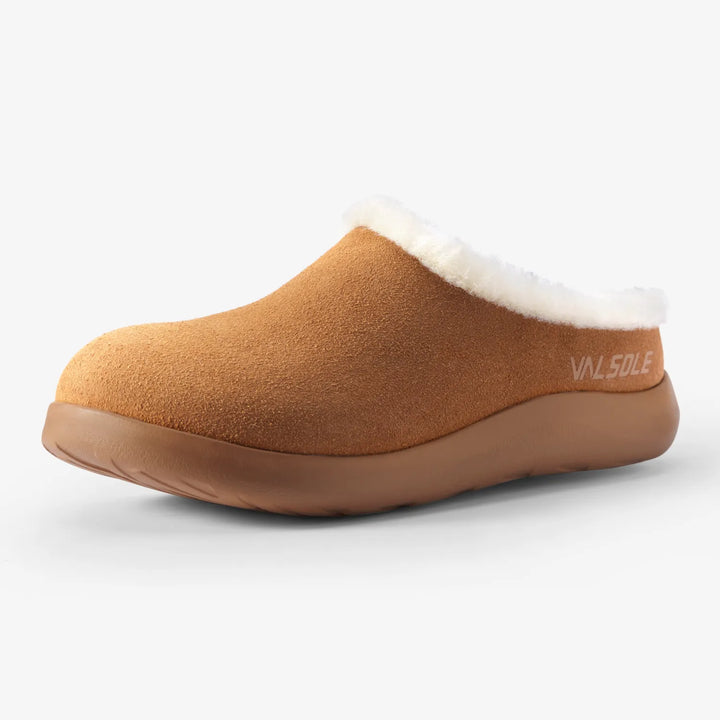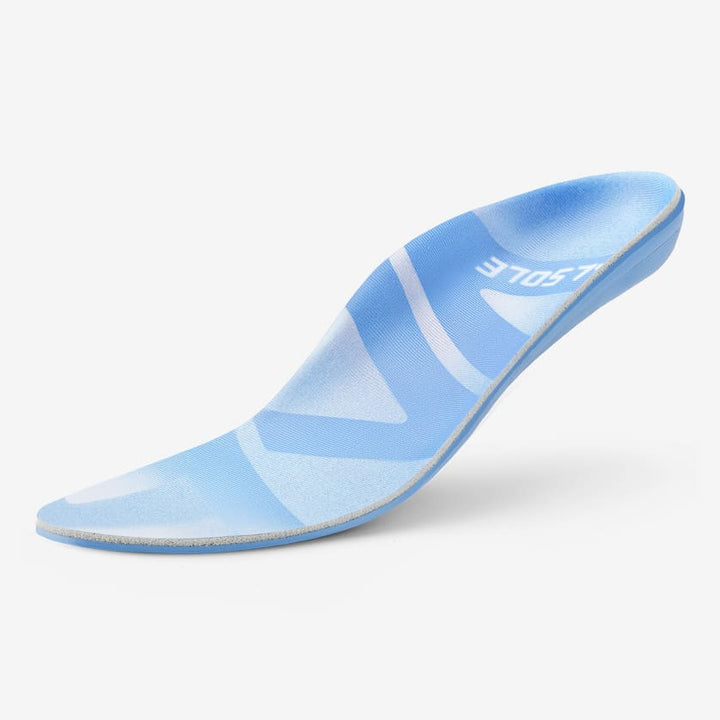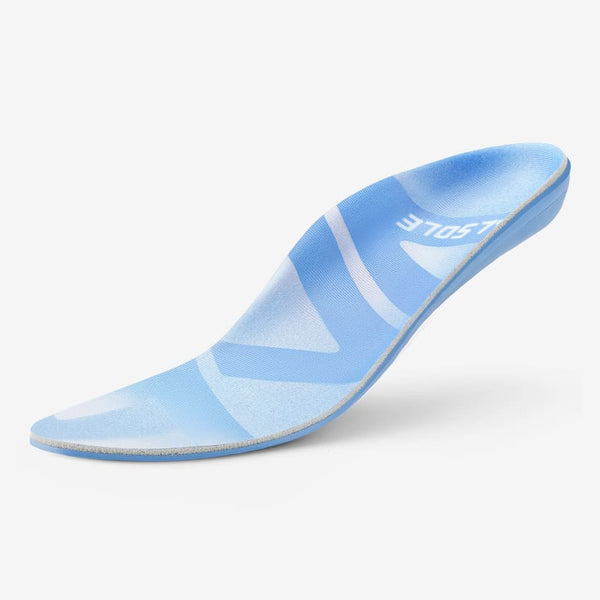
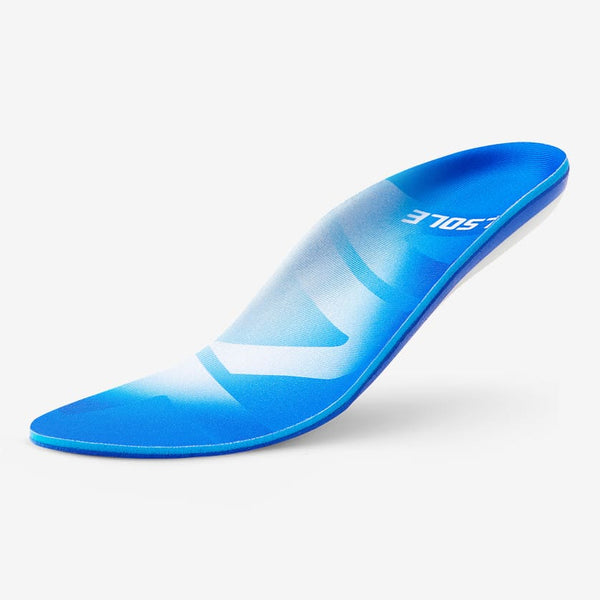
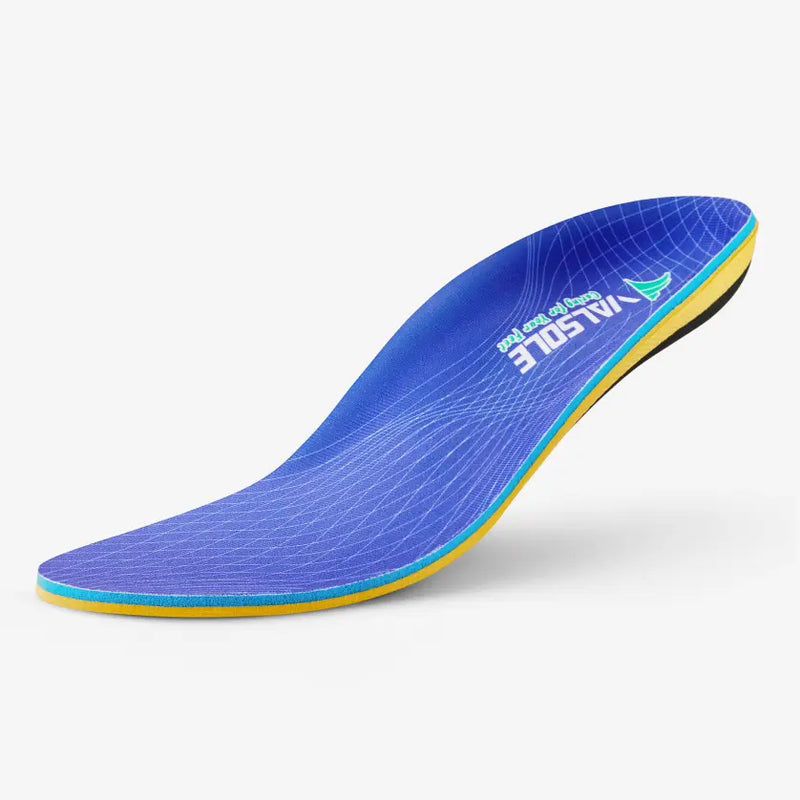


Supportive footwear has emerged as one of the clearest and most commercially relevant foot-pain stories of the month. A March 5 report highlighted a message that matters directly to everyday shoppers: the right footwear can work as a practical pain-management tool, not just a comfort upgrade.
Why this story matters
The strongest recent foot-pain story is not about a new surgery, device, or medication. It is about footwear. That matters because shoppers with plantar fasciitis, heel pain, arch fatigue, bunions, and standing-related discomfort are increasingly being told to start by rethinking support, structure, and fit.
The commercial takeaway is simple: shoppers are being pushed toward structured, supportive footwear choices earlier in their decision journey.
What happened
A March 5 HealthDay report said podiatrists are urging consumers with common pain patterns such as plantar fasciitis, heel pain, arch pain, bunions, hammertoes, and standing-related fatigue to reconsider their footwear before moving to more aggressive interventions. The report emphasized that orthopedic and supportive footwear is no longer limited to bulky, clinical-looking styles.
What experts said
The strongest footwear features highlighted in the report were structural rather than cosmetic: a shoe that resists bending, a firm heel counter, a deep and wide toe box, shock-absorbing midsoles, adjustable closures, and removable insoles. These features help distribute pressure more evenly, stabilize the heel, reduce irritation through the plantar fascia, and improve alignment through the lower body.
What it means for shoppers
For consumers, the practical takeaway is that softness alone is not enough. Buyers looking for pain relief are being pushed toward shoes, clogs, slippers, and insoles that visibly solve for support, stability, and fit. That makes it easier to understand why categories such as orthopedic slippers, recovery clogs, and structured insoles continue to matter in search and shopping behavior.
Where shoppers can start
If this topic sounds familiar, the best next step is to compare support paths based on the actual pain pattern. Shoppers dealing with plantar pain may want to begin with a plantar-focused guide. Readers standing all day on hard floors may want to compare firmer support options and orthopedic slippers. Readers looking for easier home recovery may want to compare supportive clogs and house footwear first.