

What changed
The supportive sandal and slide category keeps getting broader. What used to feel like a niche recovery or comfort segment now includes more open recovery shoes, support-forward sandals, and at-home footwear options competing for the same buyer attention. That matters because category growth usually increases confusion before it improves clarity. Buyers now see more choices, but they also need stronger reasons to choose one support path over another.
The result is a category that is expanding in public, but narrowing in how people actually want to shop it.
Why this is no longer only a softness story
Slides and sandals used to be judged mostly by how soft they felt on first step. That is changing. More buyers now compare how the platform behaves on hard floors, whether the heel feels guided, and whether the shoe still feels comfortable once they have been moving around for a while. In other words, support has become part of the category conversation rather than something buyers only associate with insoles or closed shoes.
This makes the difference between “supportive” and merely “cushioned” much more important.
How the category is splitting into clearer lanes
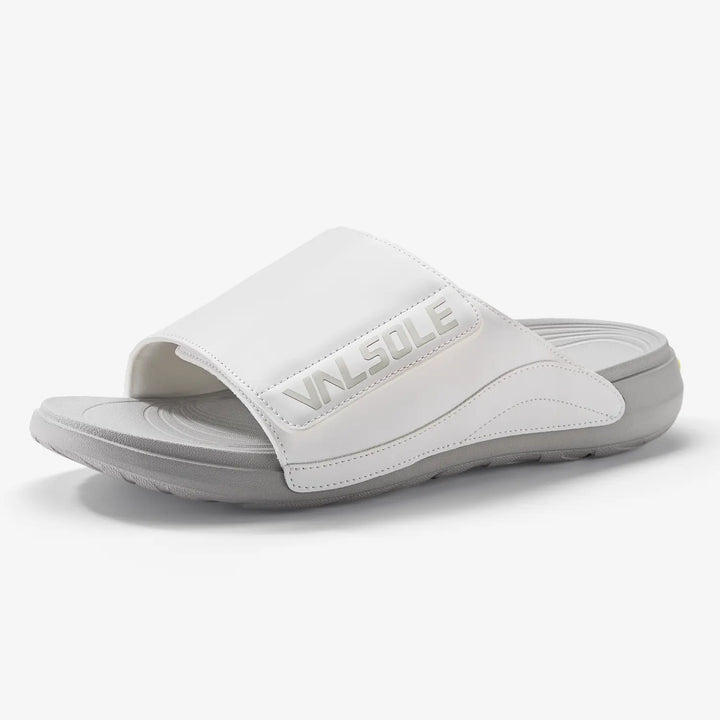
The expansion is creating more obvious lanes inside the same shopping space. Some buyers want a quick post-workout slide. Some want a more supportive sandal for daily decompression. Others want a home-recovery option that feels more stable over tile, wood, or concrete. Those are not identical jobs, even if they all sit under the same broad recovery-footwear umbrella. As the category gets more crowded, the product that wins is usually the one that makes its use case easiest to understand.
That is why compare pages and alternative guides tend to become more valuable as the category expands.
Why HOKA-style comparison is becoming more relevant
As supportive sandals and slides grow, buyers are increasingly comparing brand-led category entries against more support-specific alternatives. Someone searching for a HOKA recovery sandal alternative is rarely just asking for “another sandal.” They are asking whether a different path might feel more stable, more supportive on hard floors, or more useful during longer at-home recovery windows. That turns brand comparison into a practical shopping step, not just a curiosity click.
The bigger the category gets, the more useful a clean alternative page becomes.
What shoppers should do now
The best move is to compare by support goal first. If the foot needs a calm, structured home-recovery option, a more supportive clog or slide may make more sense than a softer sandal-first path. If the main need is quick transition after activity, a lighter open option may still fit. Buyers make better choices when they decide by use case, not just by category label.
That is how an expanding category becomes easier to shop instead of harder.
Where shoppers can start
Readers can start with HOKA recovery sandals alternative, compare category logic in the Recovery Footwear Guide, look at a direct product path through Recovery Slide, and open Men's Propel Flip when a lighter summer support option is a better fit.