





What changed
Walking comfort is becoming a bigger daily-wear priority because shoppers are feeling the cost of poor support more often, not less. The question is no longer only about post-workout recovery or occasional weekend wear. More buyers are asking whether their footwear can stay comfortable and stable through repeated daily walking blocks, errands, commuting, and home movement on hard floors.
That shift turns walking comfort from a style-side bonus into a practical buying filter.
Why this matters for how people choose shoes now
When walking load keeps repeating, people notice whether support holds up. Buyers increasingly compare heel guidance, arch behavior, and underfoot control instead of judging by first-step softness alone. A shoe that feels plush for five minutes but unstable over longer indoor or city walking is now more likely to be rejected. Comfort expectations are becoming “hour-based,” not “moment-based.”
This is one reason support-focused language is gaining more traction than broad comfort claims.
How hard-floor use changed the conversation
Hard-floor use keeps showing up in real buyer questions. Tile, wood, and concrete amplify instability when a shoe is too soft or too vague in structure. As more shoppers evaluate footwear by how it behaves at home and during routine movement, walking comfort becomes less about softness and more about controlled support. The better-performing option is usually the one that reduces repeated daily irritation, not the one that wins the first-touch test.
In practical terms, daily context is now driving category choice.
What this means for product-path decisions
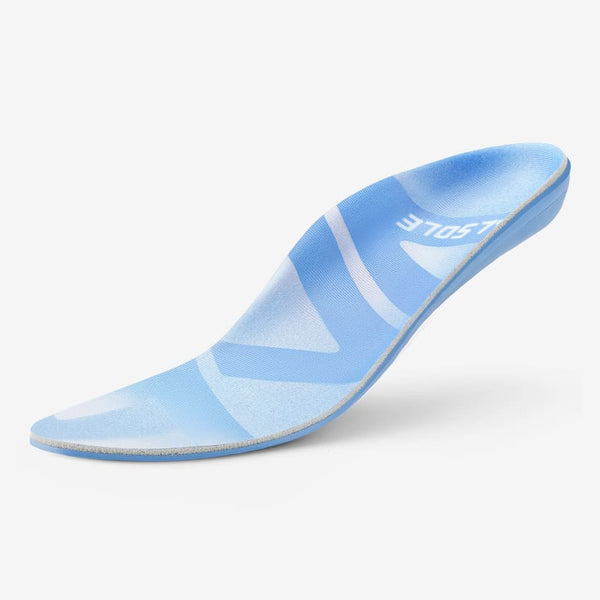
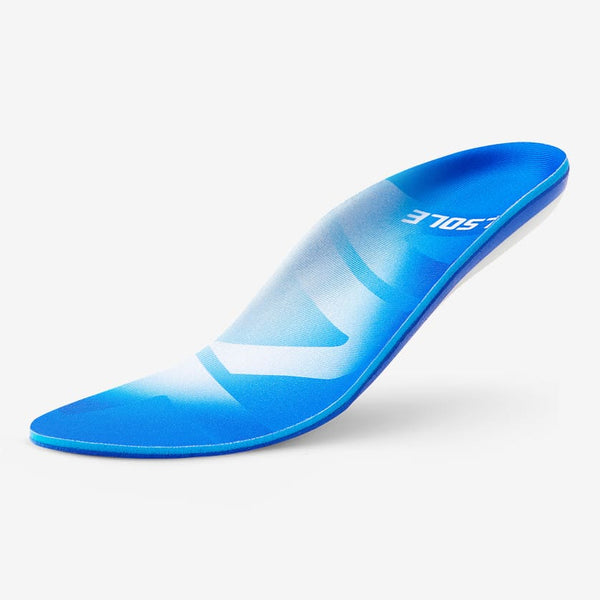
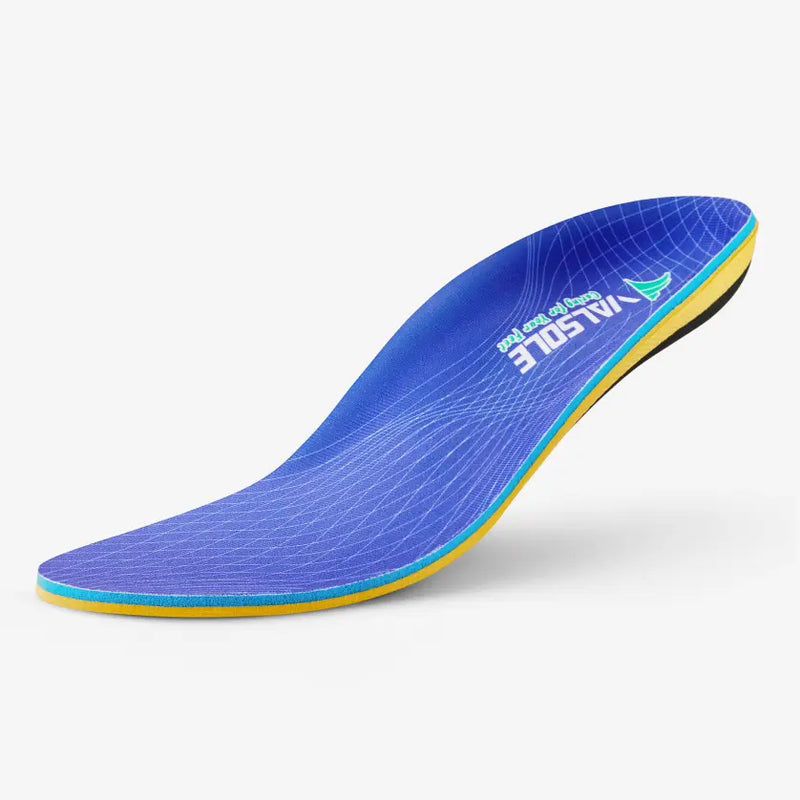
Shoppers are also becoming clearer about path fit. Some need supportive recovery footwear for after-load decompression. Others need structured in-shoe support for all-day walking and standing. Many need both, but at different moments. Content and navigation that separates those paths clearly helps buyers choose faster and with less trial-and-error.
Walking comfort intent is strongest when pages explain the “when to use what” logic directly.
Where readers can continue
Readers can start with the Walking Support Guide, then compare broader support pathways in the Foot Pain Relief Guide. For buyers who still need help matching product type to daily routine, the 30-Second Quick Match keeps decision flow simple.


