

What Happened: The 2026 "WFH Foot" Data
Recent podiatry data for early 2026 reveals a significant rise in acquired adult flat foot and posterior tibial tendon strain among remote workers. The trend, colloquially termed "WFH Foot," stems from years of continuous barefoot walking or wearing unsupportive house slippers on hard surfaces like hardwood, tile, and laminate. Without the structural support of outdoor footwear, the intrinsic muscles of the foot are overtaxed by the unyielding resistance of modern home flooring.
Why It Matters Now: The Multi-Year Accumulation
While the remote work shift began years ago, the cumulative effect on foot biomechanics is only now reaching a breaking point for many 30-to-45-year-old professionals. Chronic arch fatigue is no longer an occasional complaint but a daily reality for thousands of workers who previously had no history of foot pain. The shift toward permanent hybrid or remote roles means the home environment is now the primary "workplace" for foot health.
Who It Affects: The Professional Millennial Demographic
The surge is most prominent among the 30-45 age bracket. Unlike older demographics who may have established footwear habits, this group has spent the bulk of their recent professional lives in casual, unsupportive environments. The result is a sharp increase in reports of "morning first-step pain" and arch soreness that persists after the workday ends.
Expert Context: Hard Floors vs. Natural Surfaces
Podiatric experts point out that human feet evolved for varying terrain like grass, dirt, and sand, which offer natural "give." Modern hard floors provide zero shock absorption. When a barefoot heel strikes a hardwood floor thousands of times a day, the impact is transferred directly into the fascia and the arch, leading to gradual structural weakening.
What This Means for Readers: The Indoor Support Rule
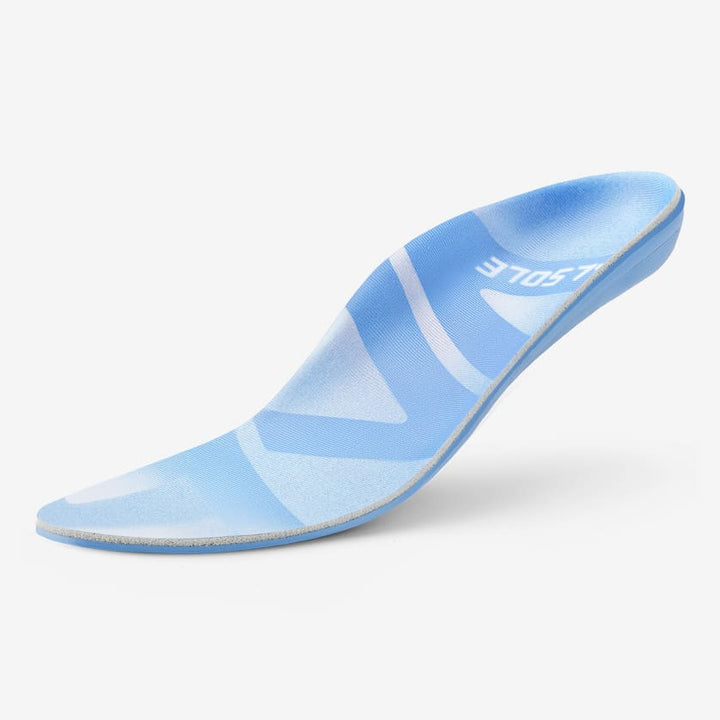
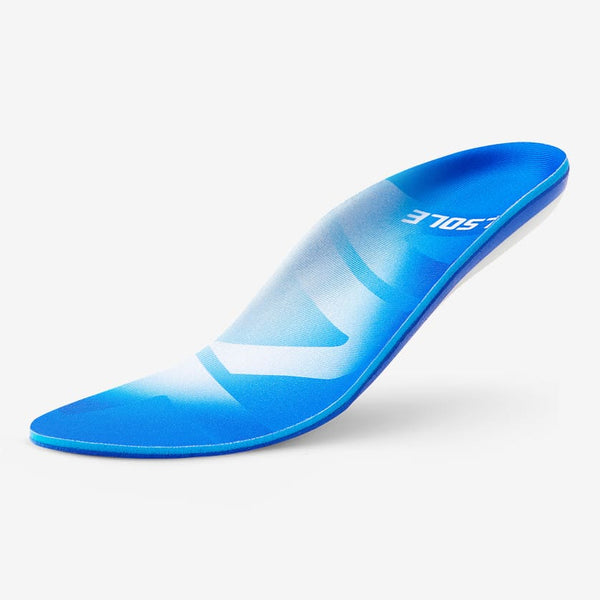
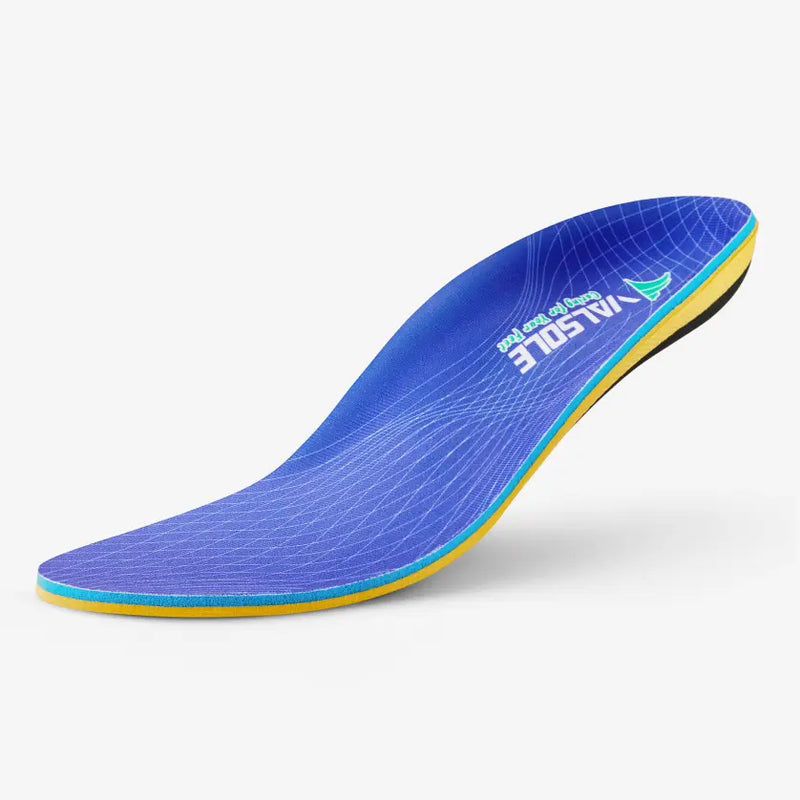
For those working from home, the "barefoot is better" myth is being debunked by clinical reality on hard surfaces. The most effective intervention is introducing a dedicated indoor recovery layer or a supportive indoor slipper that mimics the arch-contouring of a high-quality orthotic shoe. Waiting for acute pain to develop often means a longer, more expensive recovery period involving physical therapy.
Sources
- Journal of Foot and Ankle Research (2026 Biomechanics Update)
- American Podiatric Medical Association (APMA) 2026 Professional Survey
- Reddit /r/FootHealth and /r/PlantarFasciitis 2026 Trend Analysis
Commercial Bridge: Protecting the Arch at Home
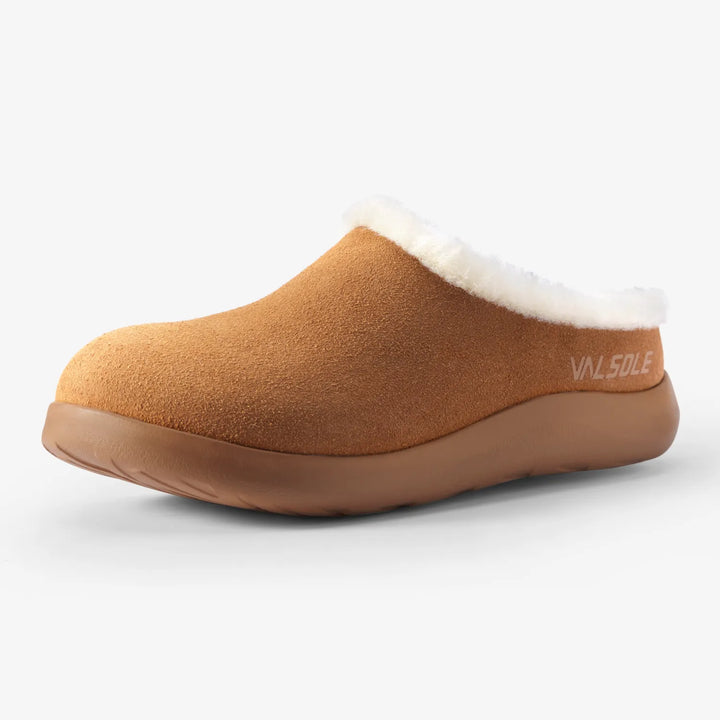
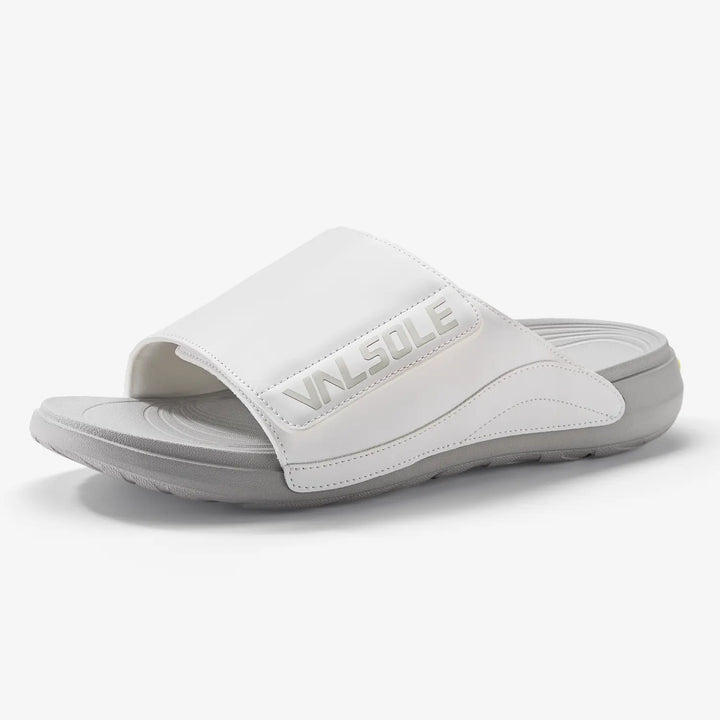
Readers experiencing early signs of "WFH Foot" should transition to structured indoor footwear. The VALSOLE Recovery Slide provides the necessary arch-cradling and shock absorption for hard-floor home environments. For those requiring a professional-grade solution that bridges home and office, the Hearth Clog offers superior stability. For further guidance on managing home-based foot fatigue, consult the Standing All Day Support Guide.