





What changed
Recovery-footwear buyers are asking more specific questions before they commit. Instead of treating recovery as one soft-comfort category, they are comparing whether the shoe feels stable on hard floors, whether it works for longer at-home wear, and whether a slide, flip, or more covered clog actually fits the job better. That matters because the category is no longer small enough for brand familiarity to do all the work.
In practice, buyers are behaving more like comparison shoppers and less like impulse comfort shoppers. That shift makes page structure and decision framing much more important than generic product claims.
What buyers are prioritizing now
Softness still matters, but it is no longer the only thing buyers care about. Stability, heel guidance, and whether the platform feels trustworthy after the first few minutes are becoming stronger filters. Buyers also care more about category fit: some want an easy slide for fast post-workout use, while others want a more supportive home-recovery option that feels better over longer periods on tile or wood floors.
This means “comfort” has become a more layered decision than it looked a year ago.
Why hard-floor use keeps showing up
One of the clearest recurring themes is hard-floor use at home. Buyers do not just want a shoe that feels good after a workout bench or in a locker room. They want something that still feels calm while making dinner, doing chores, or moving around the house after the day is done. That is why hard-floor stability keeps surfacing as a buying question. A soft shoe that feels unstable on tile does not solve the real recovery problem for many households.
The category is being judged more by daily recovery reality than by first-touch softness.
Why category fit matters more now
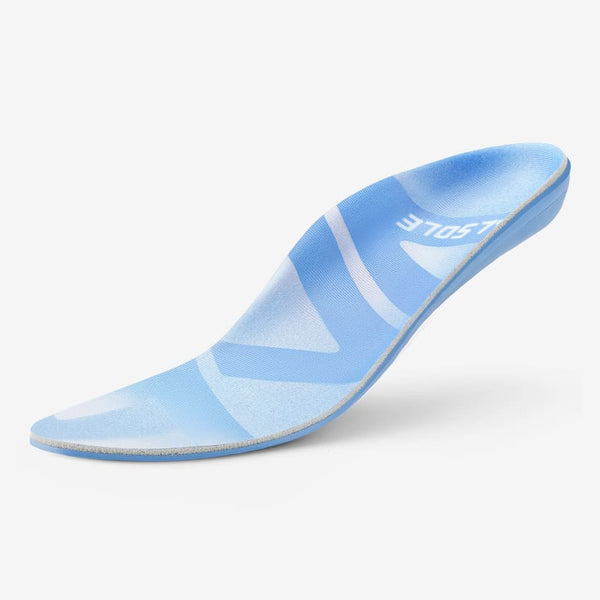
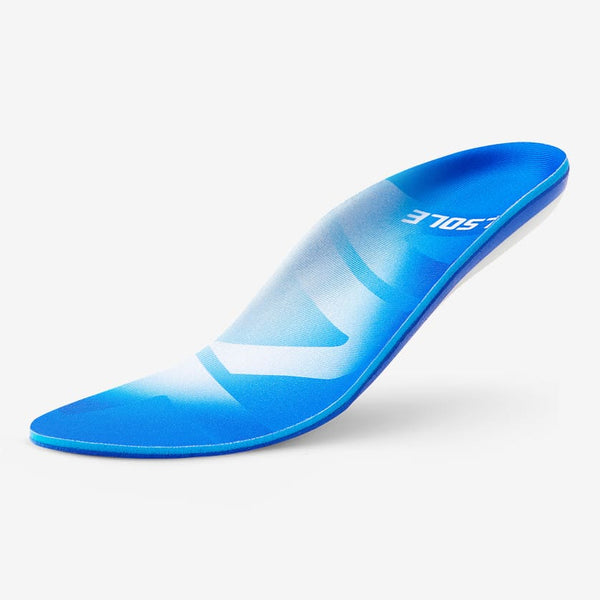
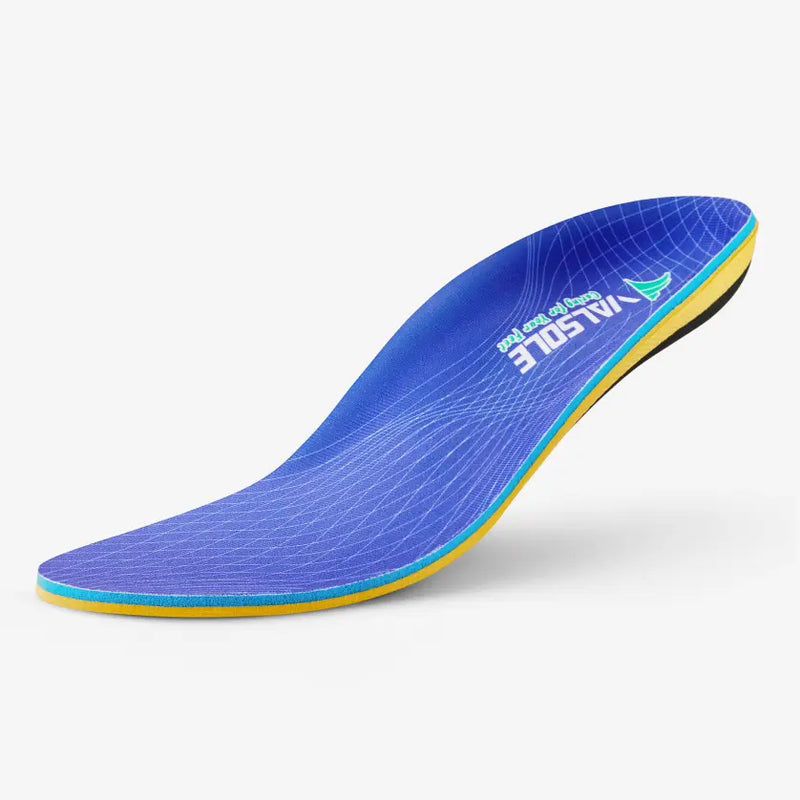
Recovery footwear has also expanded enough that buyers want help choosing the right form factor. Slides, flips, clogs, and supportive sandals all sit close enough together that shoppers need clearer explanations before they buy. Someone who wants quick on-off use may still prefer a slide. Someone who wants more coverage and harder-floor support may lean toward a clog. Someone who still needs structured support inside daily shoes may need an insole instead of another recovery sandal.
That makes guide pages and compare pages more useful than broad category slogans.
What this means for shopping decisions
The smarter buying path now is to compare by recovery job first. Buyers should ask where the discomfort happens, when it flares most, and whether they want softer decompression or more supportive recovery structure. That sharper decision framework reduces trial-and-error and helps explain why recovery guides and alternative pages are becoming more valuable as the category grows.
The recovery buyer today is less impressed by labels and more interested in fit, purpose, and day-long wearability.
Where shoppers can start
Readers can start with the Recovery Footwear Guide, compare category fit through Active Recovery Footwear Guide, use HOKA recovery sandals alternative for the alternative route, and open VALSOLE vs Vionic when the decision is down to brand-level support fit.


