



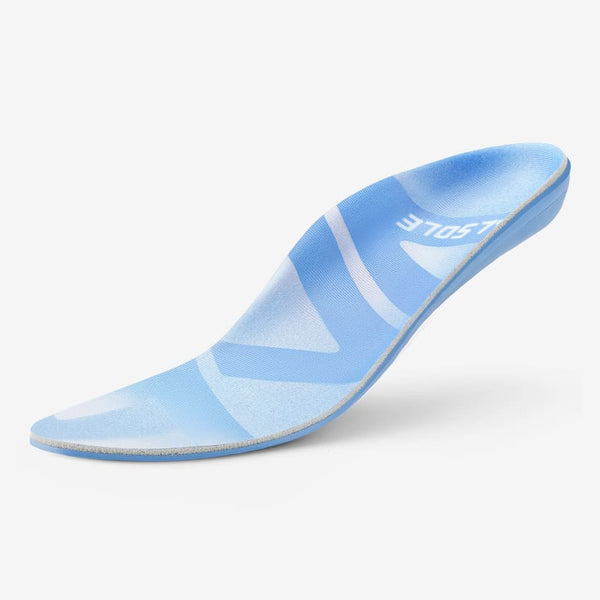
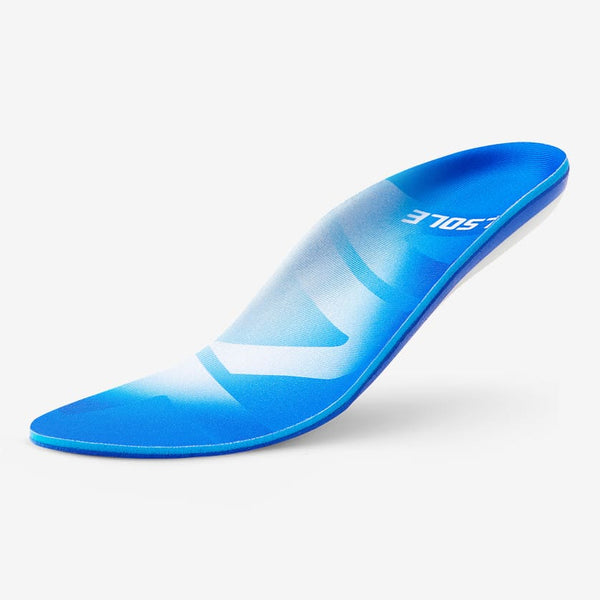
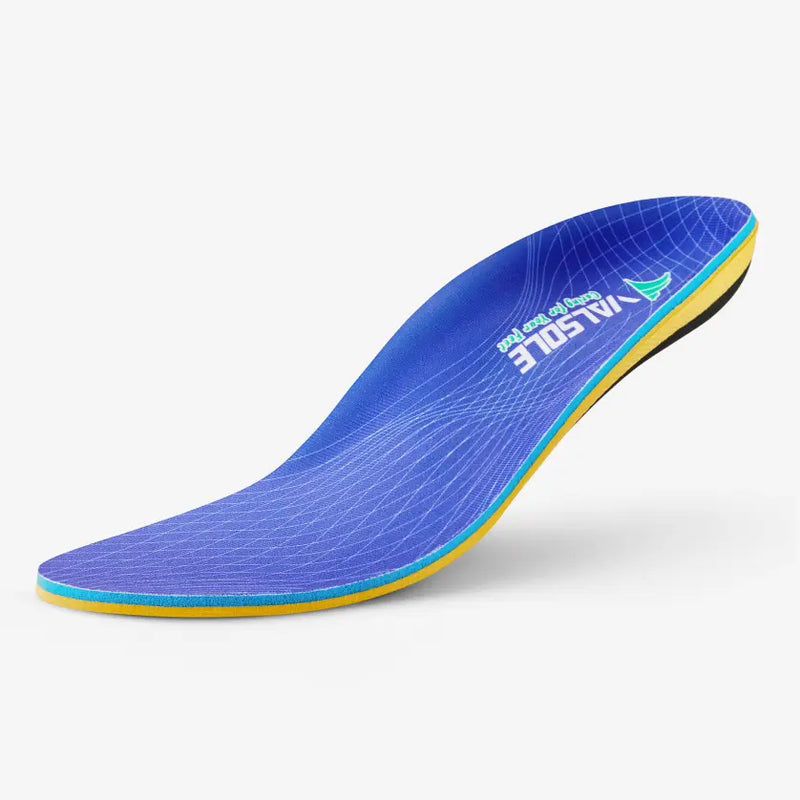


What the intent signal means right now
Flat-foot support remains one of the most durable footwear and insole search themes because the shopper problem is persistent, practical, and easy to feel in daily life. People do not search this topic only out of curiosity. They search because standing shifts, long walks, and hard-floor routines keep exposing the same support gap. That makes flat-foot queries commercially meaningful even when broader keyword trends move around.
When intent stays consistent, the right response is better guidance quality, not just more product listing volume.
Why this topic converts better than broad comfort language
Generic “comfort” phrasing is easy to attract but hard to resolve. Flat-foot support searches are different because the user usually has a clear pain pattern in mind: collapse feeling, heel strain, arch fatigue, or daily instability. Pages that explain support behavior in plain language tend to outperform pages that only promise softness. Buyers want to know what will stay stable over repeated load, not what feels best for one step.
This is why condition-linked support content often produces cleaner next-click behavior.
How shoppers are narrowing their path
Current behavior shows a move from broad browsing to path-based choices: in-shoe support for work and walking, recovery footwear for after-load comfort, and compare pages for brand-level decisions. The best user journeys connect these paths clearly. If a brand can explain where an insole helps most and where recovery footwear should take over, shoppers spend less time guessing and more time selecting.
Clarity wins when the same intent appears month after month.
Where this should connect in the VALSOLE content system
The strongest hub remains the Flat Feet Support Guide, with practical comparison support from Insoles Complete Guide and a direct bridge to High Arch Support Guide for users comparing foot profiles. For users balancing arch profile differences, this topic should also bridge to Flat Feet vs High Arches so buyers choose by foot behavior rather than by trend terms.
That internal-link structure helps turn stable search demand into better-qualified product exploration.
Commercial takeaway
Flat-foot support should stay in the top layer of editorial and compare planning because intent remains steady and decision urgency stays high. This is not a temporary seasonal spike. It is a recurring buyer need tied to real daily load. The practical move is to keep publishing concise support explainers, strengthen condition-to-product bridges, and keep navigation paths obvious across guide, compare, and collection pages.
Strong intent continues to reward brands that explain support clearly and consistently.


