

What changed
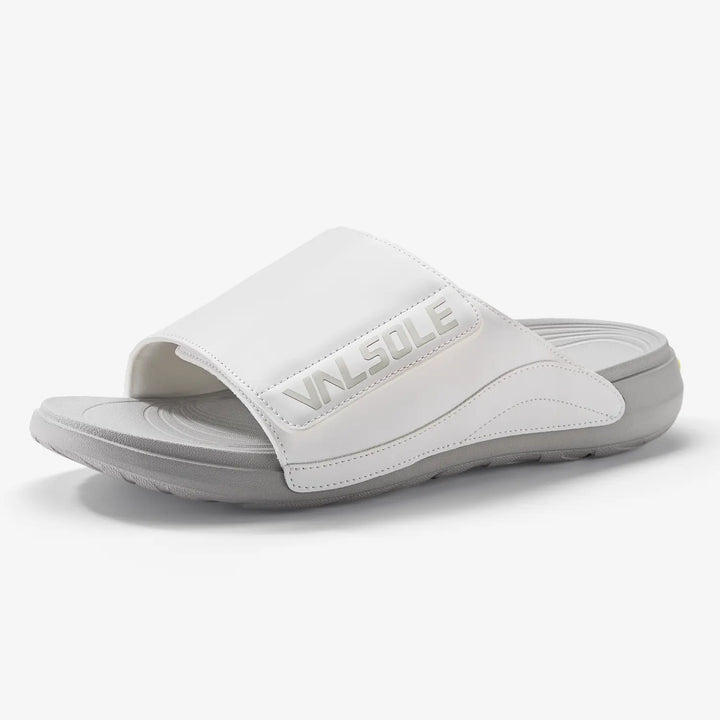
Recovery slides used to be discussed mostly as a post-workout category. The newer shopper conversation is wider. People are now looking at supportive slides not only after training, but also after long work shifts, at-home hard-floor exposure, and daily walking fatigue. In other words, the category is being pulled out of the gym-only context and into a broader recovery-and-relief context.
That shift matters because it changes how readers compare the product. They are not only asking whether a slide feels soft after exercise. They are asking whether it can help reduce end-of-day foot stress, whether it feels stable enough for short daily movement, and whether it belongs in a broader support rotation.
Why it matters for shoppers
The practical meaning is that recovery slides now sit closer to a lifestyle recovery tool than a niche training accessory. A shopper who spends all day on hard floors may be looking for the same kind of relief logic as someone finishing a run: reduce carryover stress, give the foot a lower-load environment, and avoid going barefoot on surfaces that keep irritation active.
That broader use case makes support quality more important. Once a slide is expected to work beyond a five-minute post-workout window, shoppers start caring more about base stability, arch feel, and whether the product still feels supportive when the foot is already tired.
How the category is changing
The category is changing from “soft and easy” to “soft enough, but still supportive.” That is a meaningful difference. Buyers increasingly want cushioning, but they do not want a sloppy underfoot feel that lets the heel and arch lose all control. This is exactly why recovery footwear now overlaps more with supportive slippers, clogs, and other lower-load home-use products.
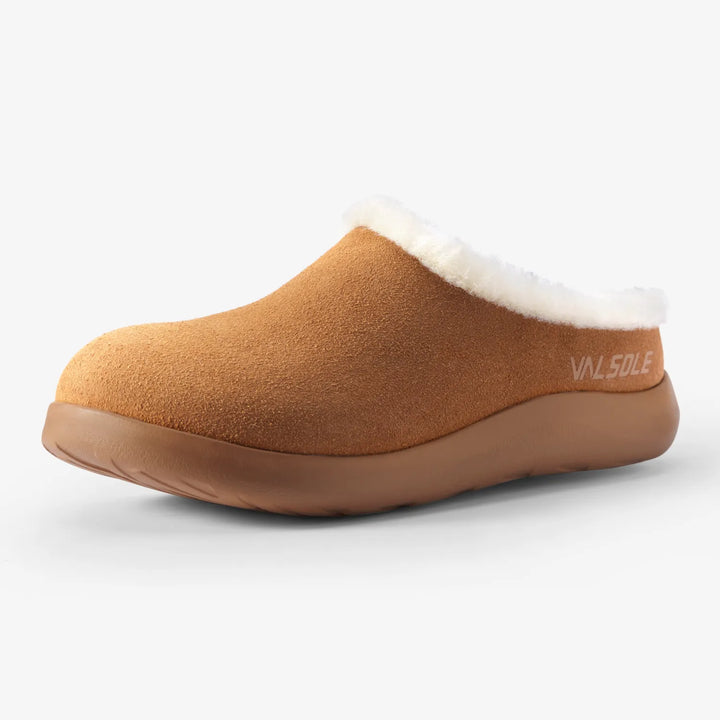
The growth of this overlap also means shoppers need better guidance. A slide is not always the best answer. Sometimes the better recovery path is a more stable clog or supportive slipper, especially if the person is walking around the house for hours instead of just cooling down after one workout.
What it means for product paths
For VALSOLE readers, the most useful takeaway is to compare recovery footwear by job, not by label. If the goal is quick post-activity decompression, a recovery slide can make sense. If the goal is longer at-home wear on harder floors, a more stable clog or slipper may be the better move. The right question is not “slide or no slide?” It is “what type of recovery support does the foot actually need after the day is done?”
That is why this story belongs in topical authority coverage. It helps readers translate a category trend into a more useful next-click decision instead of leaving recovery footwear as a vague comfort topic.
Where shoppers can start
Readers can compare broader recovery options in the Recovery Footwear Guide, review a more stable at-home path through Hearth Clog, and use the supportive footwear collection when the decision is really about category fit rather than one product label.