





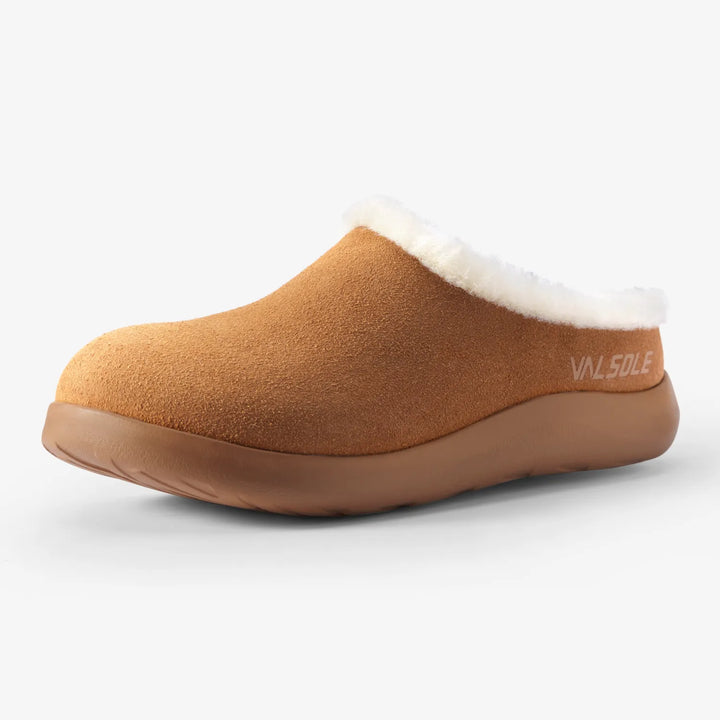
Hearth Clog
The Hearth Clog provides structured everyday stability and thermal comfort for users 220 lbs+,...
$59.99$89.99
View product


For plantar fasciitis with long shifts, rotation works because it distributes load across different support contexts instead of repeating the same stress pattern all day. A single pair can be enough in simple routines, but mixed work, commute, and home-recovery demands often benefit from a planned rotation. The goal is controlled variation, not random switching.
Rotation succeeds when each role is clear: work support, transition support, and recovery support.
Build your rotation around the highest-load block first, then add lower-load layers.
| Role | Main requirement | Best timing | Failure sign |
|---|---|---|---|
| Primary work pair | Stable heel control + support retention | Longest standing/walking block | Fatigue spikes before shift ends |
| Secondary transition pair | Comfort continuity with moderate support | Commute and lower-load movement | Abrupt gait changes between pairs |
| Recovery footwear | Low-load support on hard home floors | Post-shift and evening periods | Next-morning stiffness unchanged |
One pair can be enough when your load pattern is consistent, symptoms are mild, and end-of-day stability remains strong. In this case, overcomplicating rotation can reduce adherence without improving outcomes. Keep one setup only if it performs predictably across your full schedule.
If symptom patterns differ sharply by context, that is the signal to split roles and adopt rotation.
Rotation only works if each component stays within its performance window. Inspect outsole wear, midsole compression, and support feel weekly for the primary pair. Replace highest-load components first, then re-check whether transition and recovery pairs still complement the system.
Most relapse cycles begin when one role degrades silently and the rest of the rotation cannot compensate.
Track first-step pain, time-to-fatigue during work, and evening recovery quality. If all three improve together, keep the current role split. If work metrics improve but morning stiffness remains high, strengthen recovery role. If morning improves but shift performance worsens, recalibrate the primary pair.
Use the scorecard to refine roles, not to chase new products every few days.
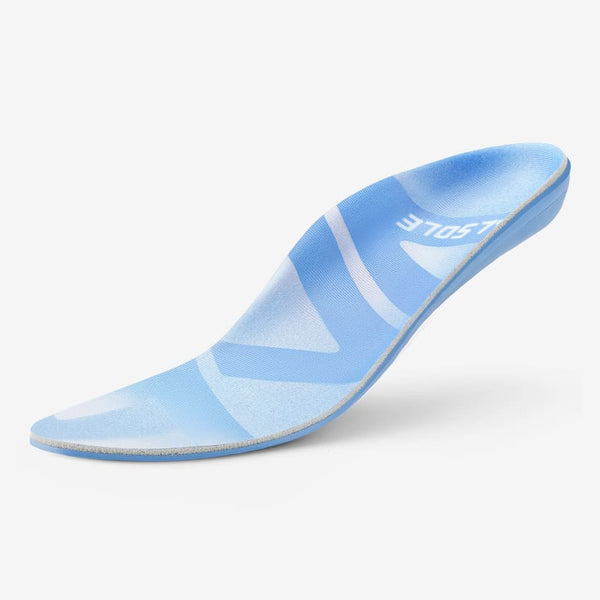
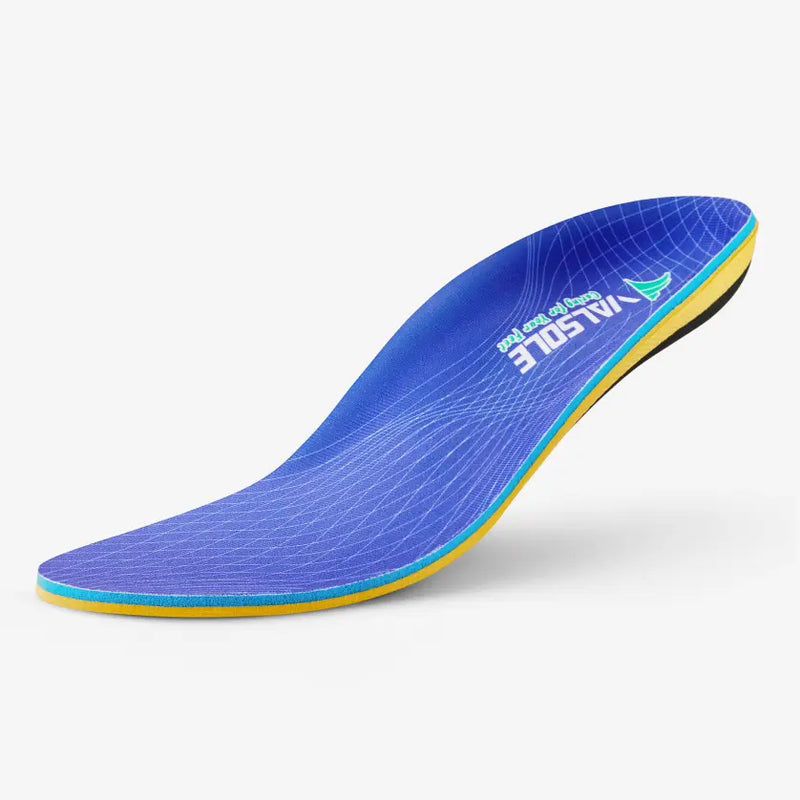
For next steps, align symptom strategy with the Plantar fasciitis relief guide, define primary support baseline using Stable Support insole, and add indoor recovery continuity with Hearth Clog.
Shop the products most relevant to the support path discussed in this article.

Keep reading with symptom-based guides and compare support options for your pain profile.


Loading size guide…


