




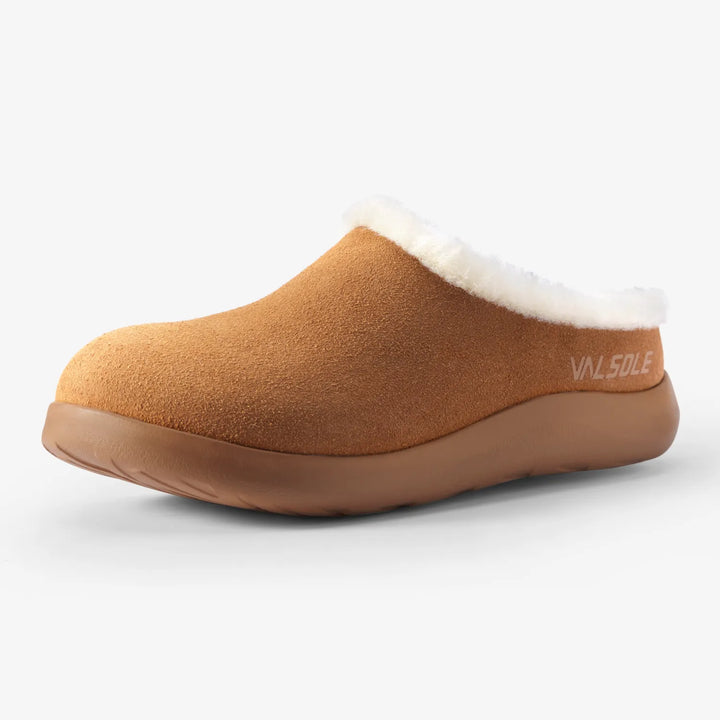
Hearth Clog
Hearth Clog is a covered indoor clog with warm lining and a shaped support...
$69.99$89.99
View product


The best insoles for walking on concrete all day do more than feel soft in the first hour. The right pair needs to reduce repeated impact, support the arch as fatigue builds, and still fit inside your work shoes without creating pressure or instability.
The best insoles for walking on concrete all day balance impact control, support retention, and shoe-friendly fit.
Concrete is one of the hardest surfaces to work on because it gives your feet almost nothing back. If you walk on concrete all day, soft cushioning alone usually stops being enough by the second half of the shift. The best insoles for walking on concrete all day need to reduce repeated impact, support the arch under fatigue, and still fit inside your work shoes without creating extra pressure at the heel, instep, or toes. Good support should still feel useful after hours of movement, not just in the first few minutes.
If your feet feel heavier, flatter, or more irritated as the day goes on, the real problem is usually repeated hard-floor load plus support fade rather than lack of softness alone.

The right choice depends on whether the day feels more like impact fatigue, heel pain, full-foot tiredness, or post-shift soreness that follows you home. People who walk on concrete all day usually need a stronger balance of structure and shock control than people who only stand in one place. Matching the insole to the way fatigue builds is much more useful than simply buying the thickest or softest product available.
If you feel full-foot fatigue on hard floors, support fade is usually the main issue. If you work long walking shifts on harsh surfaces, repeated impact and compression build-up become the bigger problem. If the heel takes the worst of the day, a heel-focused support profile is usually a smarter first move. If the workday gets slightly better but evening soreness still follows you home, recovery support is often the missing part of the system.

Product recommendations are only useful when they match the surface and symptom pattern. Someone walking on concrete all day usually needs more structure retention than someone on softer flooring. Someone whose heel gets irritated first needs a different starting point than someone whose whole foot feels slow and tired. The goal is to start with the profile that solves the main failure point in your workday, then refine fit from there.

Before ordering, confirm fit limits in the Size Guide, compare support levels in the Arch Support Guide, and browse the Insoles collection if you need a broader comparison.
Not always. Softness helps at first, but if the structure fades too quickly your feet may feel worse by the end of the day.
Start with Heel Relief Insole and compare the pattern against the Arch Support Guide.
That usually points toward a broader support-retention issue, which is where Stable Support Insole or Heavy Duty may make more sense.
Yes. If pain rebounds after shoes come off, Hearth Clog can help extend support into the recovery window.

Use the Plantar Fasciitis Relief Guide or the Flat Feet Support Guide before finalizing the product choice.
If you want fewer trial-and-error purchases, join the VALSOLE email list for fit tips, product comparisons, and the current new-subscriber offer. It helps you keep concrete-floor support advice, replacement reminders, and product guidance in one place instead of starting over every time your feet start feeling beaten up again.
After you subscribe through the site email signup, keep the Insoles collection and Size Guide bookmarked, and email support@valsole.com if you want a closer recommendation.
For next steps, review the Arch Support Guide, confirm fit limits in the Size Guide, compare symptom overlap in the Plantar Fasciitis Relief Guide, and browse the full Insoles collection.
The best insoles for walking on concrete all day are the ones that still support you deep into the workday, not just the first stretch of it. If you need balanced all-day support, start there. If the surface is harsher and fatigue builds faster, move toward stronger structure. If the heel is clearly the first place that fails, choose the profile that matches that pattern.
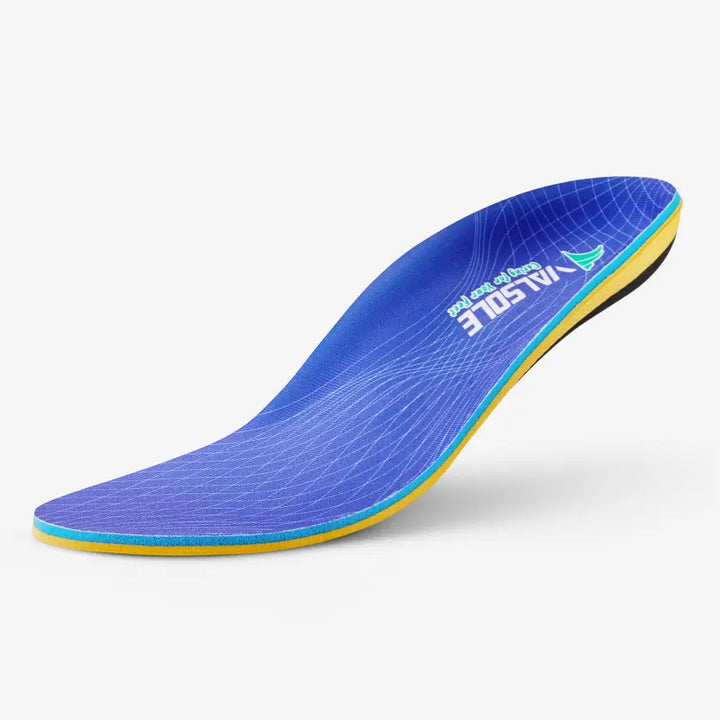
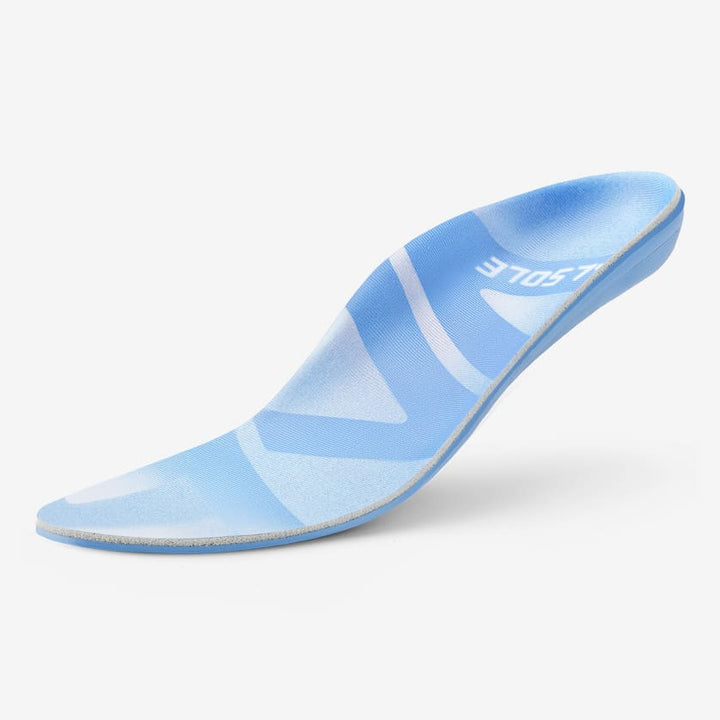
Start with Stable Support Insole for balanced support, compare Heavy Duty for harder surfaces, use Heel Relief Insole for heel-focused pain, and keep recovery support going with Hearth Clog. Before checkout, confirm fit with the Size Guide or compare everything in All products.
Shop the products most relevant to the support path discussed in this article.
Keep reading with symptom-based guides and compare support options for your pain profile.


Loading size guide…


