Work Boot Insoles for Concrete Floors and Long Shifts

Start with firm in-shoe support for work boots when concrete, long standing, and repeated heel impact make the shift feel harder.

Choose your path

Choose work boot support by fit and load

Work boots need support that holds up without crowding the boot. Start with load, then tune by pressure point.

Read the work-boot fit guide
Best first pick

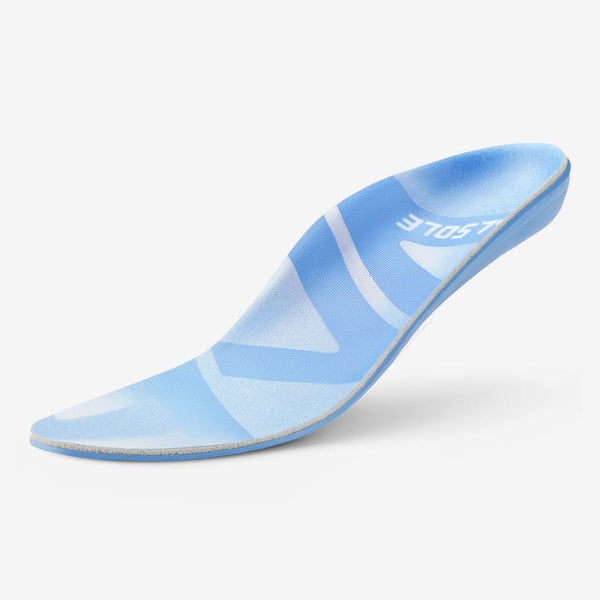
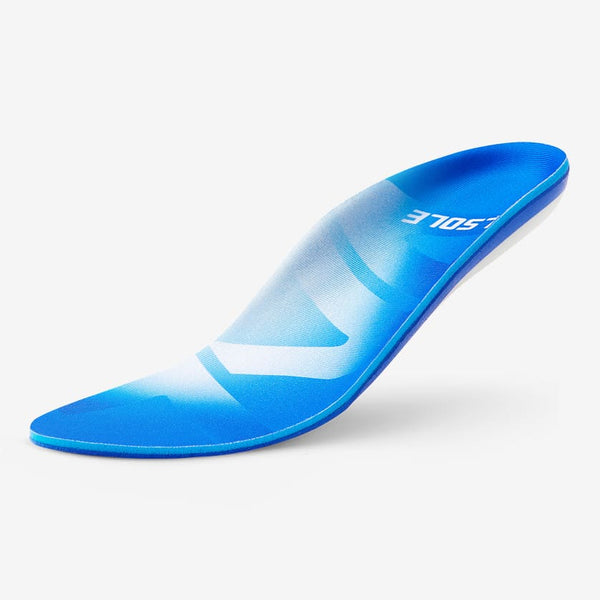
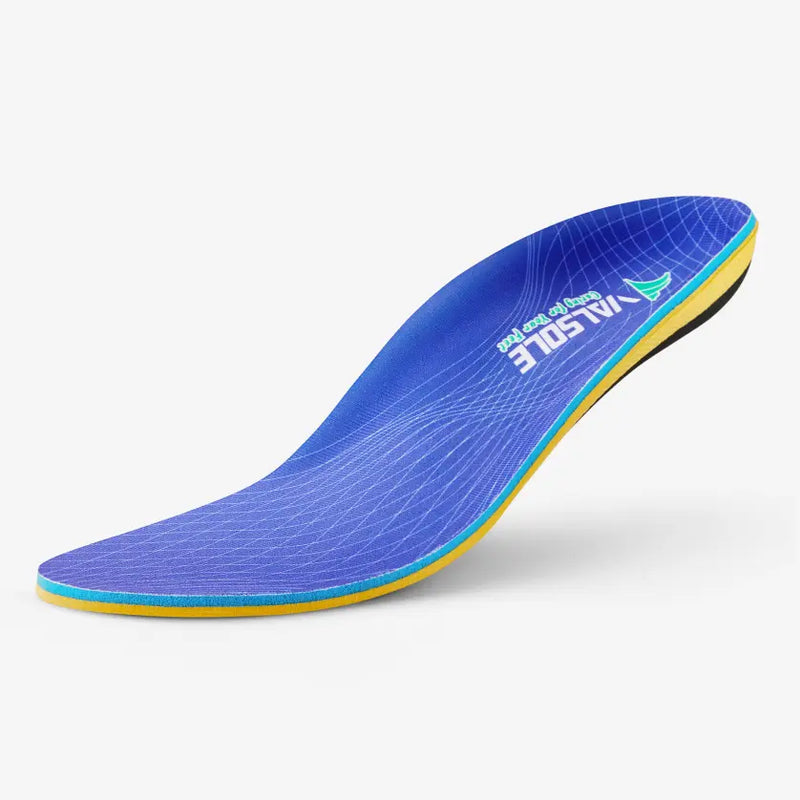
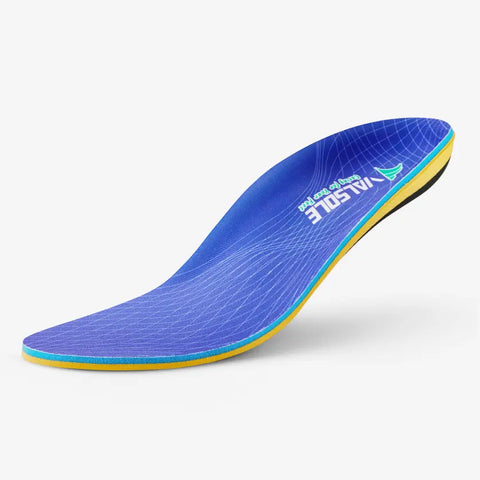
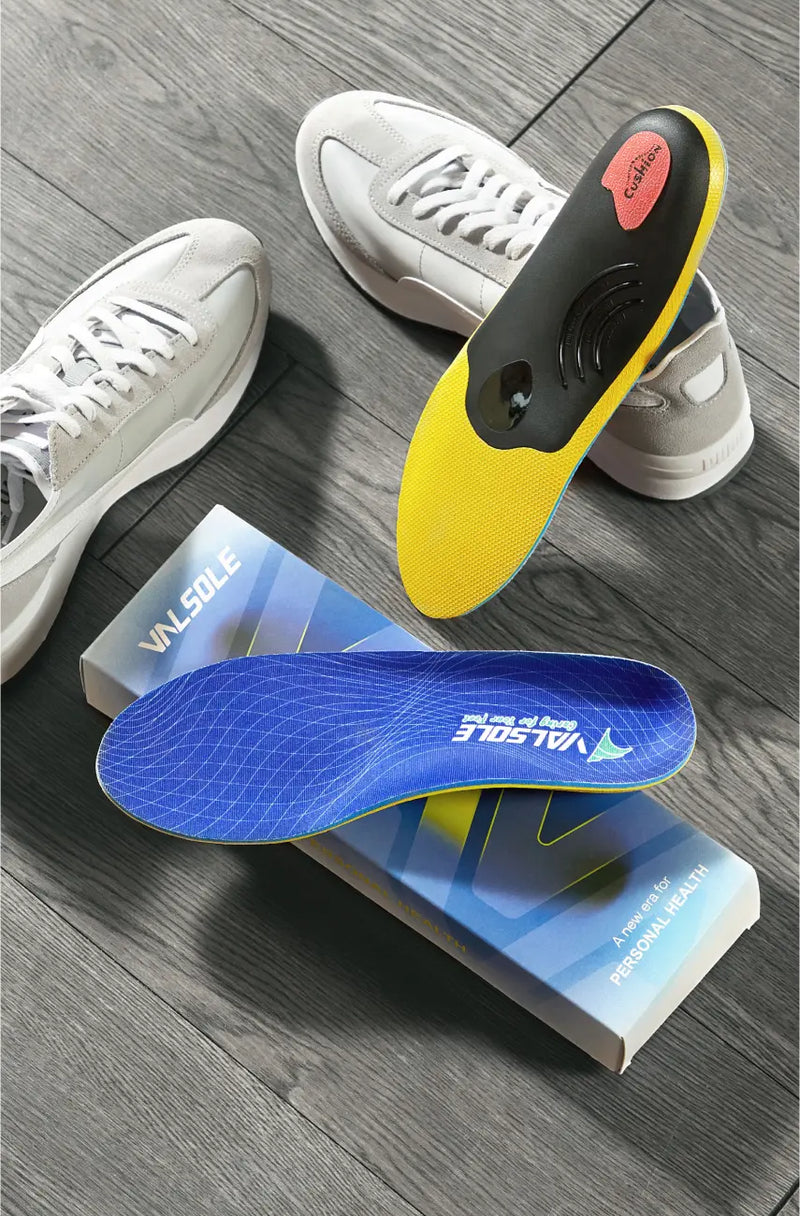
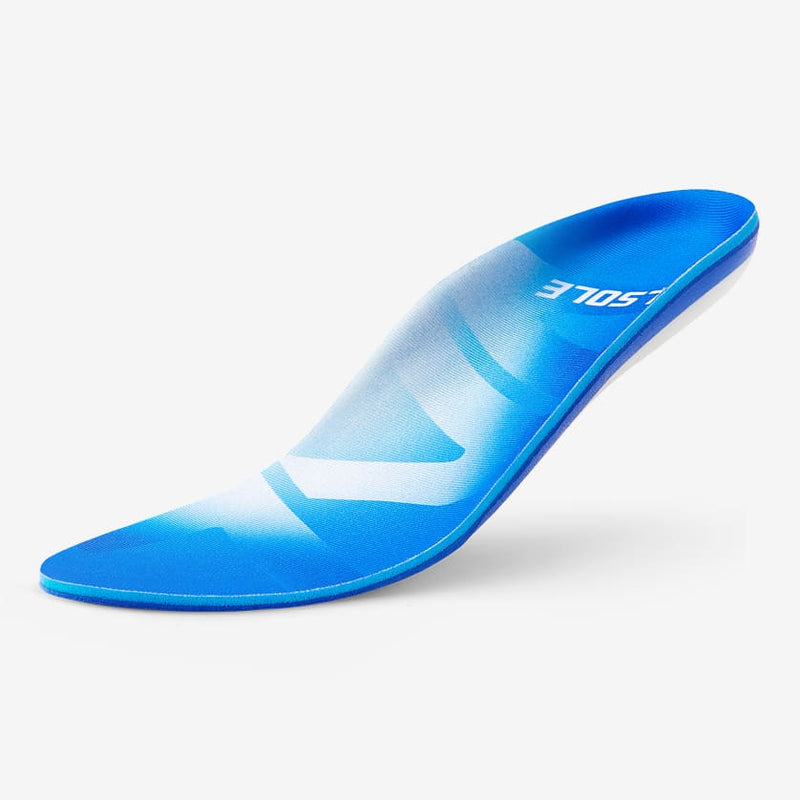
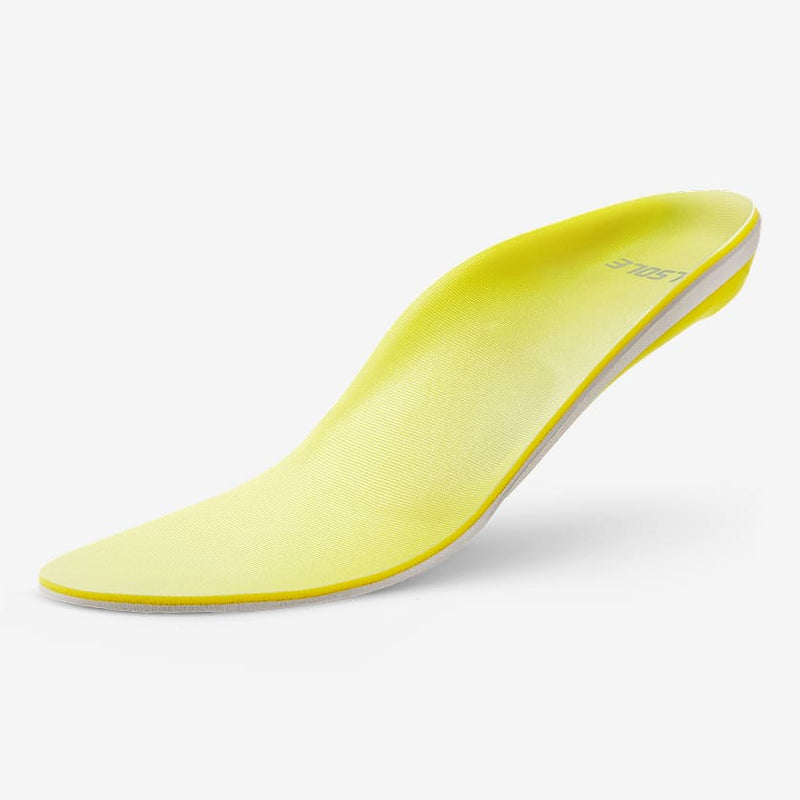
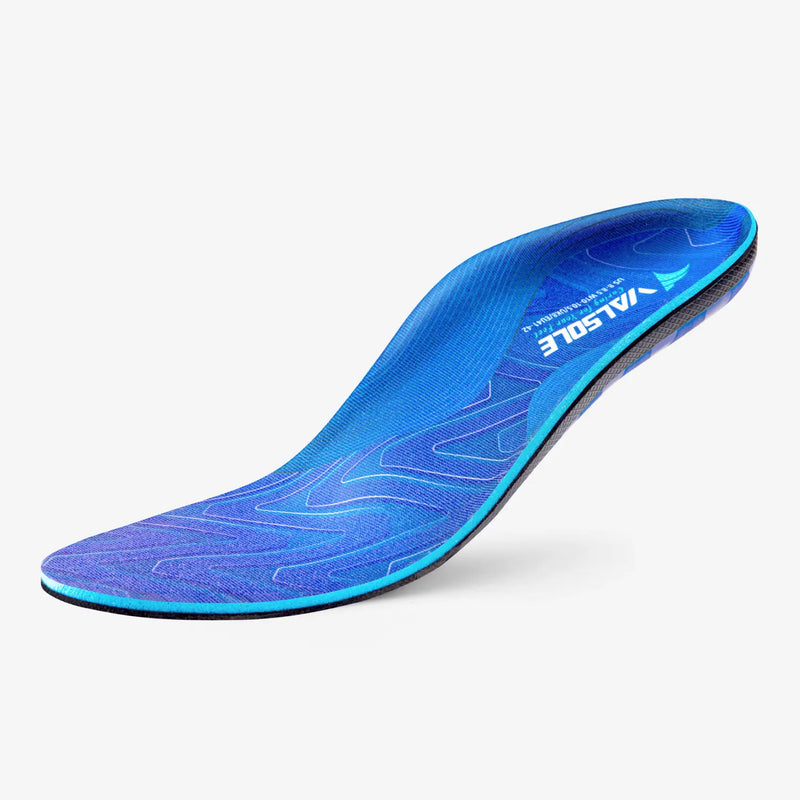
Heavy Duty

Firmer arch support for boots, hard floors, and long standing days.

$35.98
Shop Heavy Duty

Work boot insoles: check boot space before support

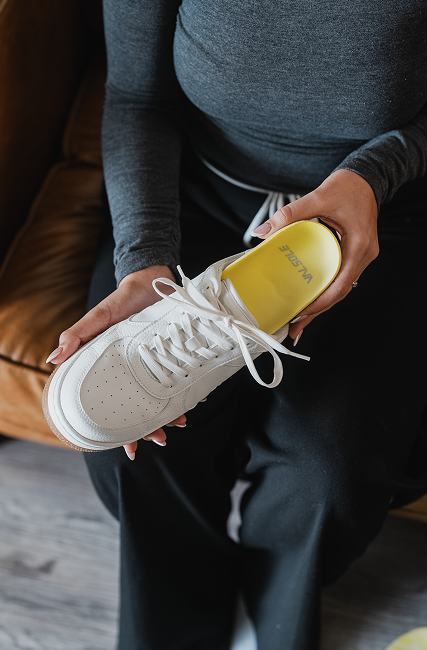
Compare Heavy Duty when you want a firmer support feel in closed work shoes or boots. First check whether the original liner is removable, whether the insert sits flat and whether your usual socks still leave toe room. Do not stack inserts by default or assume a bigger labeled size fixes limited boot depth.

Work Boot Insoles

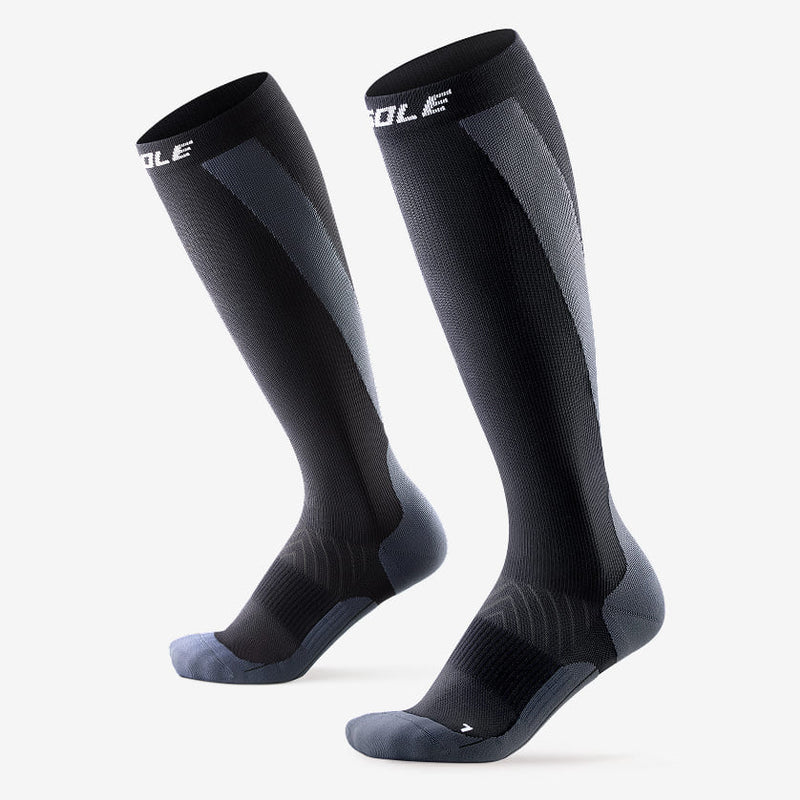
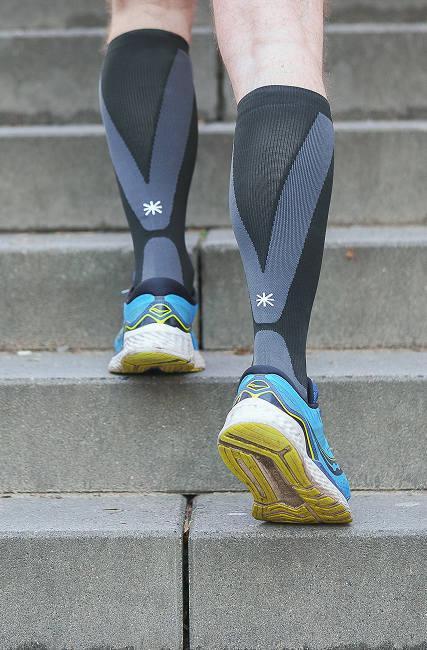
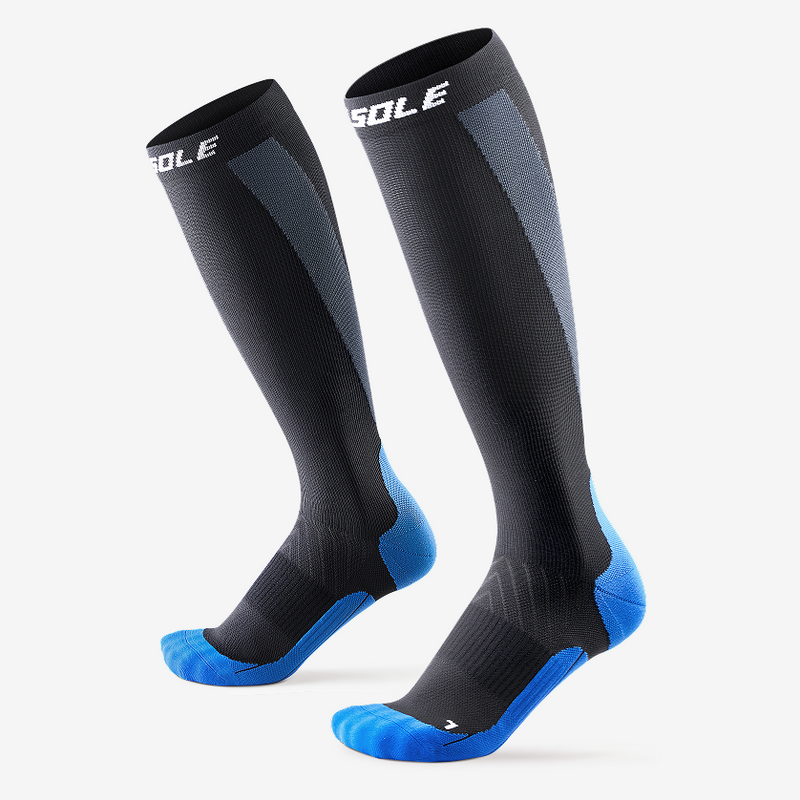
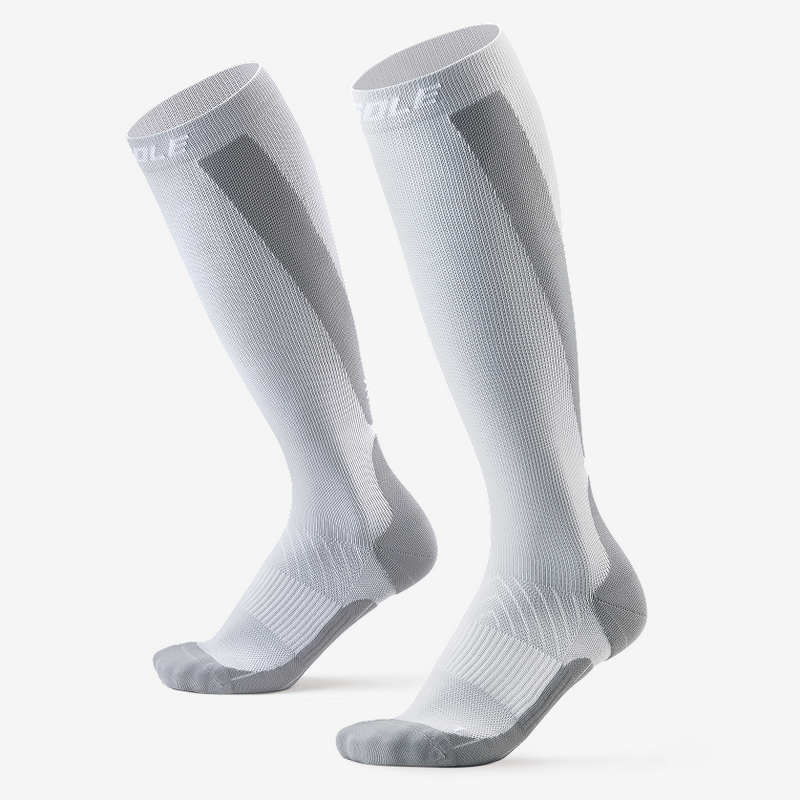
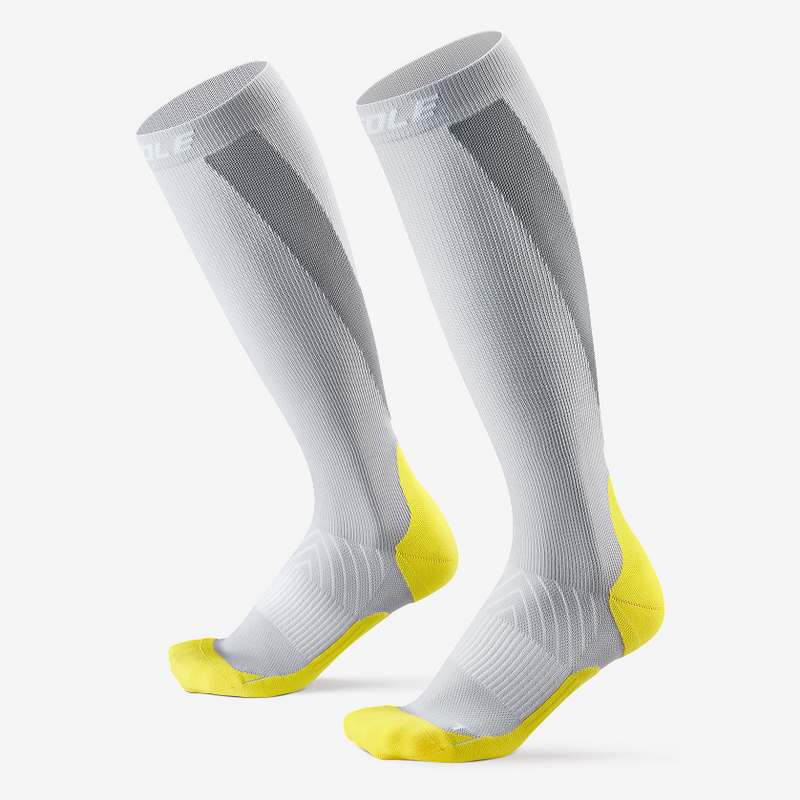
Compression Socks Included

Free gift
With any footwear purchase
Or 2 pairs of insoles
No code needed

No code needed. Your gift appears automatically in cart.

Shop with confidence

Free Shipping Over $40 Clear pricing. No surprises.
30-Day Free Returns Try your fit risk-free.
Secure Checkout Safe, protected payment.
Foot Pain Relief Guide Free with every order.

Work boot insoles: replacement fit and firm support

For work boots, choose an insole by replacement fit and the support feel you prefer. VALSOLE Heavy Duty is the firmer option to compare when your boot has a removable liner and enough room. A boot that already feels tight does not become suitable simply because you choose a bigger insole size.

Selection details and fitting questions

Check your boot before choosing an insert

What you findWhat to check nextBuying decision
A removable original linerRead the boot maker’s replacement instructions. Compare the original liner outline with the insert size guide.Compare Heavy Duty only if the replacement can lie flat and leave enough room.
A fixed liner or a snug upperCheck whether the manufacturer permits a replacement or additional insert.Do not stack inserts by default or force a thicker setup into limited space.
Enough toe room, but a loose heelCheck that the heel seats securely after the replacement.A larger label is not a remedy for heel movement.
A safety-toe or certified work bootCheck the boot maker’s instructions for allowed replacement components.No all-model compatibility or preserved safety certification is established here.

What to compare in Heavy Duty

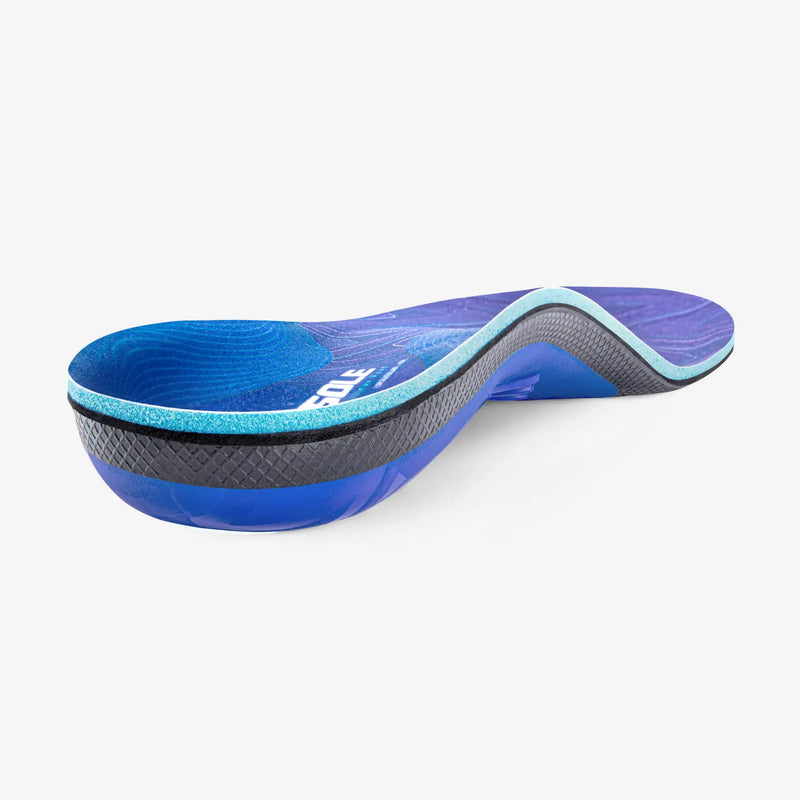
Heavy Duty is intended for a more structured support feel in suitable closed shoes and boots. Choose by comfortable arch contact, heel placement and shoe room. Its firmer feel is a selection feature; it does not prove that it will be the most comfortable option for every wearer or every shift.

Compare Heavy Duty sizes and product details Β· Read the size guide.

A fitting sequence with your usual work socks

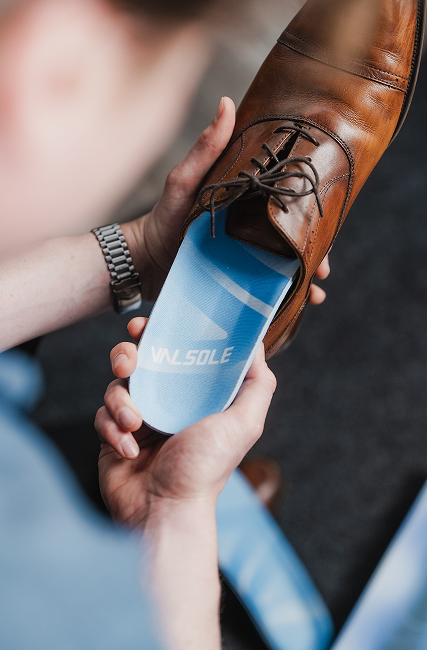
  1. Check replacement instructions before removing the original liner.
  2. Place the permitted replacement flat; check for curling or overlapping edges.
  3. Put on your usual socks and fasten the boot normally. Check toe movement, heel seating and pressure over the top of your foot.
  4. Check both standing and walking before relying on the setup for a full shift. Stop using a setup that creates new pain or numbness.

Questions about work boot insoles

Can I keep the original liner underneath?

Do not assume stacking is appropriate. It changes shoe space and foot position. Follow the boot manufacturer’s guidance and check the fit of the complete setup.

Will these fit every steel-toe boot?

No universal fit is claimed. Boot construction, depth and approved components differ. Read the safety-toe footwear and replacement insert guide before choosing.

What if most of my shift is on concrete?

First resolve boot fit here, then use the concrete-floor buying guide to consider stationary standing versus walking routes.

About this buying information

Prepared by VALSOLE and checked against its product information on October 14, 2026. This is brand-authored selection guidance. No independent wear test or measured comfort result is presented. Check the product page for current size options, prices, availability and policies.


Work boot insoles: support for shifts, hard floors, and boot fit

Quick summary: work boot insoles should add firm arch structure, heel impact control, and a stable fit without making the boot feel crowded. Choose by shift length, boot volume, concrete-floor exposure, and where pressure builds first.

How to choose insoles for work boots

Check boot space before choosing support. A taller or firmer insert is not automatically a better fit. Check whether the original liner is removable, and compare the product size guide with your boots before ordering. Do not assume two stacked insoles will leave enough toe room.

For a firm-support preference: compare Heavy Duty. For an everyday support alternative, compare Stable Support. These are support options, not guarantees of compatibility with every boot.

Test with your usual work socks. Check heel hold, room above the foot and toe movement while standing and walking. A boot that closes normally can still feel crowded after replacing its liner. Do not force a setup that creates new pain or numbness.

Working mainly on hard floors? Use the concrete-floor comparison for that surface-specific choice. For safety footwear, check the boot manufacturer or workplace requirements before changing the supplied footbed; this collection does not certify a modified boot.

What type of insole is best for work boots?

Start with a firmer support path when your boots are used for long shifts, concrete floors, or heavier daily load. The insole should support the arch and heel without making the boot feel too tight.

Should work boot insoles be soft or firm?

Soft cushioning can feel good at first, but work boots usually need structure that holds shape through the shift. Firmer support is often the better first comparison when fatigue builds over hours.

Which VALSOLE insole should I compare first for boots?

Heavy Duty is the first comparison for long shifts and harder floors. Fascia Soothe is the pressure-specific route when heel-to-arch strain is the main issue.

Can I use these insoles on concrete floors?

Yes, if the insole fits your boot correctly. For concrete-heavy workdays, compare the concrete floor insole route and prioritize support that stays stable through repeated standing blocks.