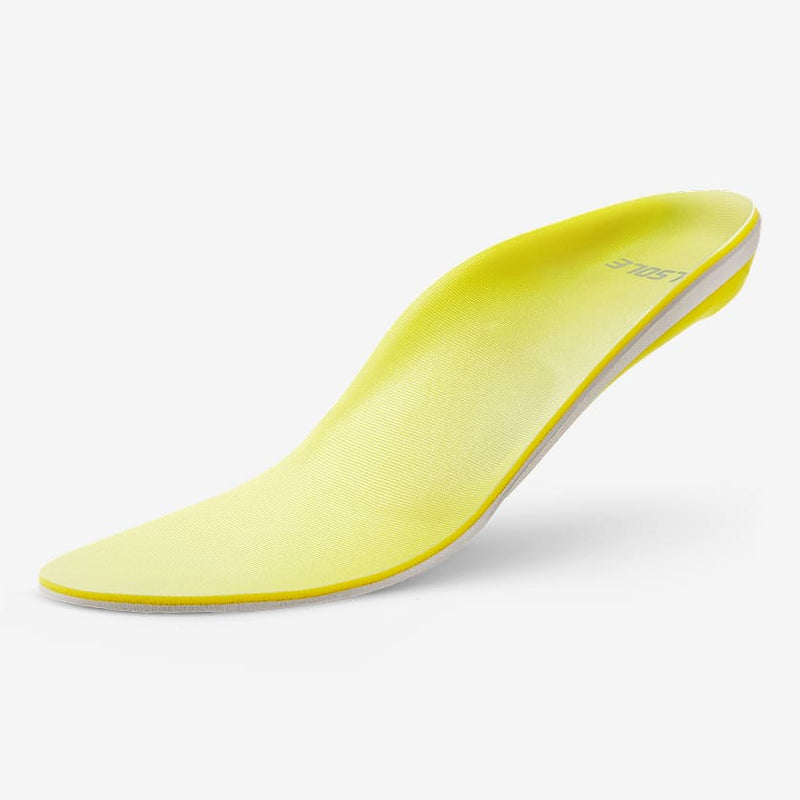
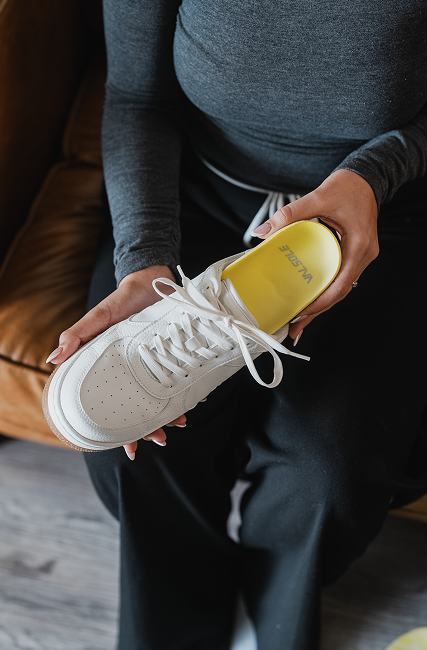
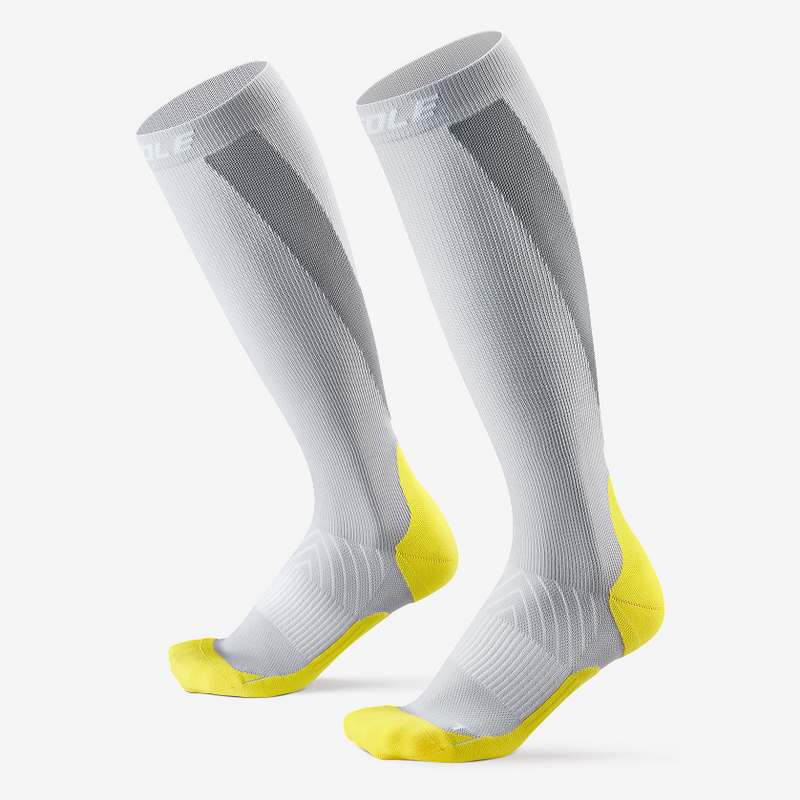
Compression Socks Included
No code needed. Your gift appears automatically in cart.
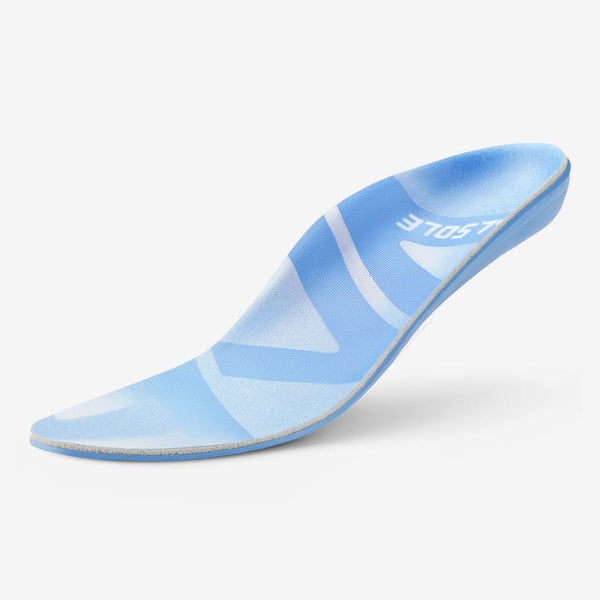
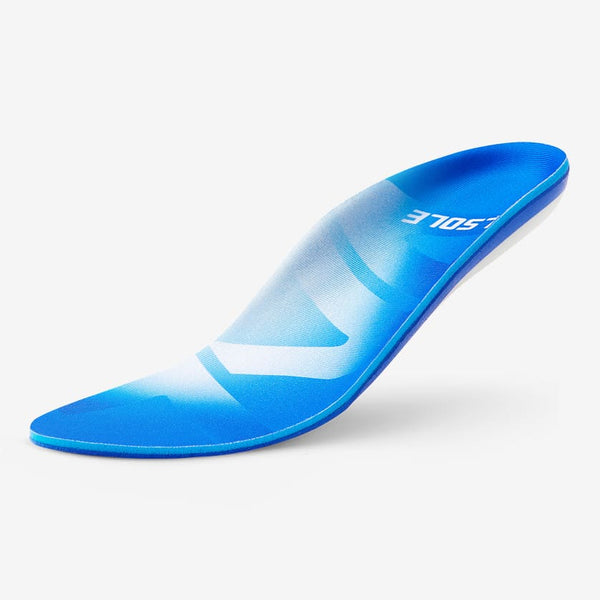
Standing at a workstation or walking warehouse aisles? Compare firm Heavy Duty support with lighter everyday options, then check the fit inside your work boots or shoes.
Start with how you work: mostly standing, repeated walking, or a mix of both. Support preference and room inside your shoes matter more than one universal best pick.
Read the concrete-floor fit guideHigh-load support for concrete floors, long standing, and warehouse shifts.
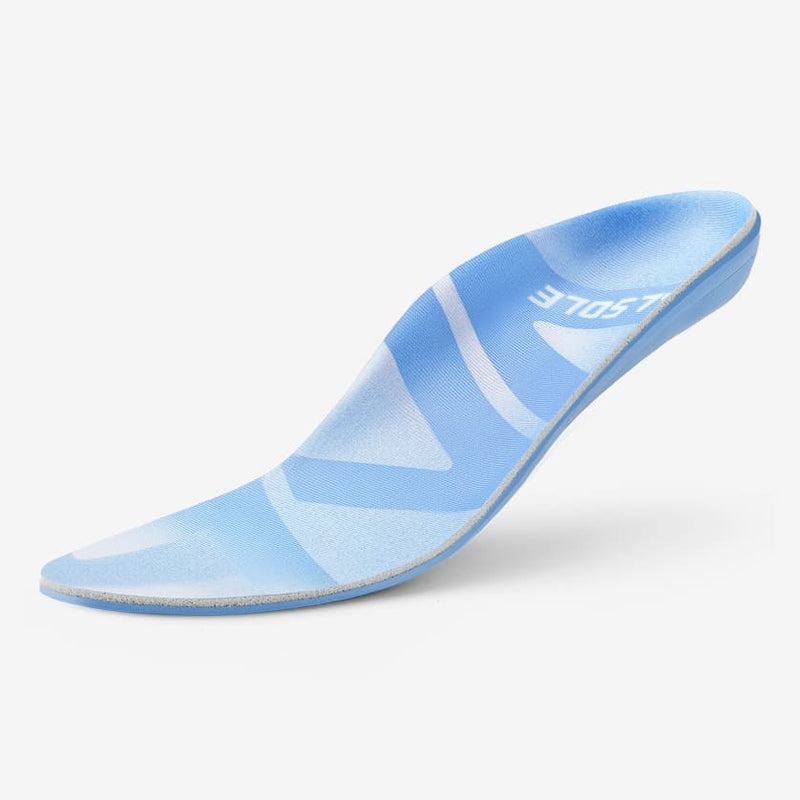
More heel-focused cushioning when concrete floor exposure makes every step feel sharper.
Balanced support when work shoes are stable but hard floors still create daily fatigue.
Let the quick diagnostic quiz guide you to the right support path for your shift.
Take Quick DiagnosticNo code needed. Your gift appears automatically in cart.
No code needed. Your gift appears automatically in cart.
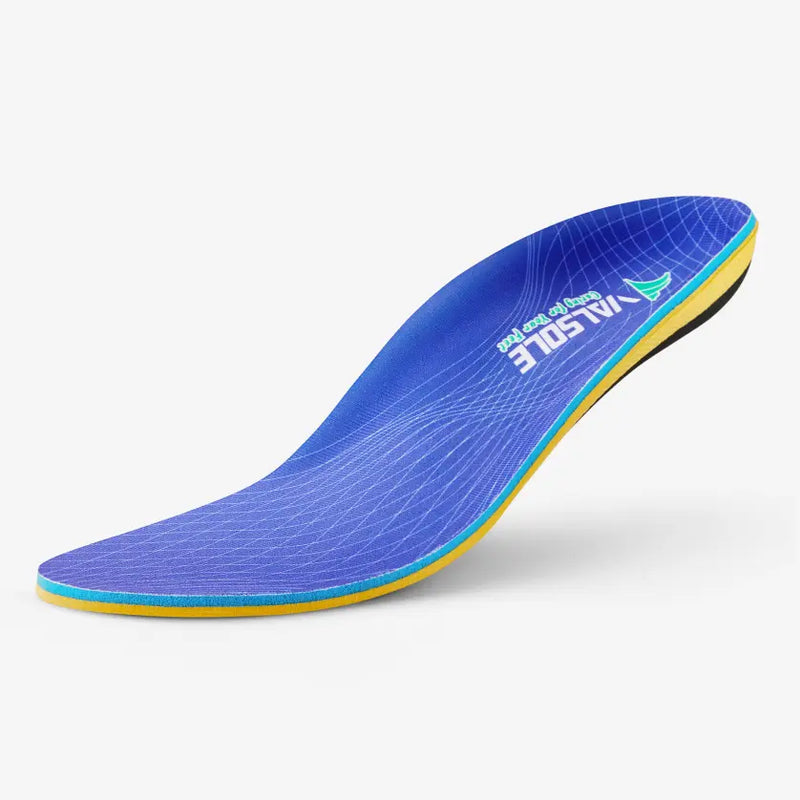
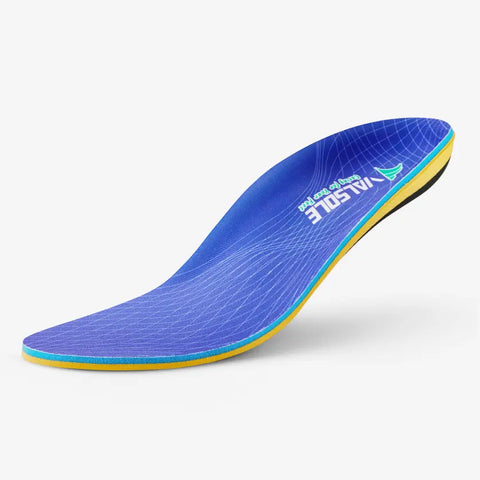
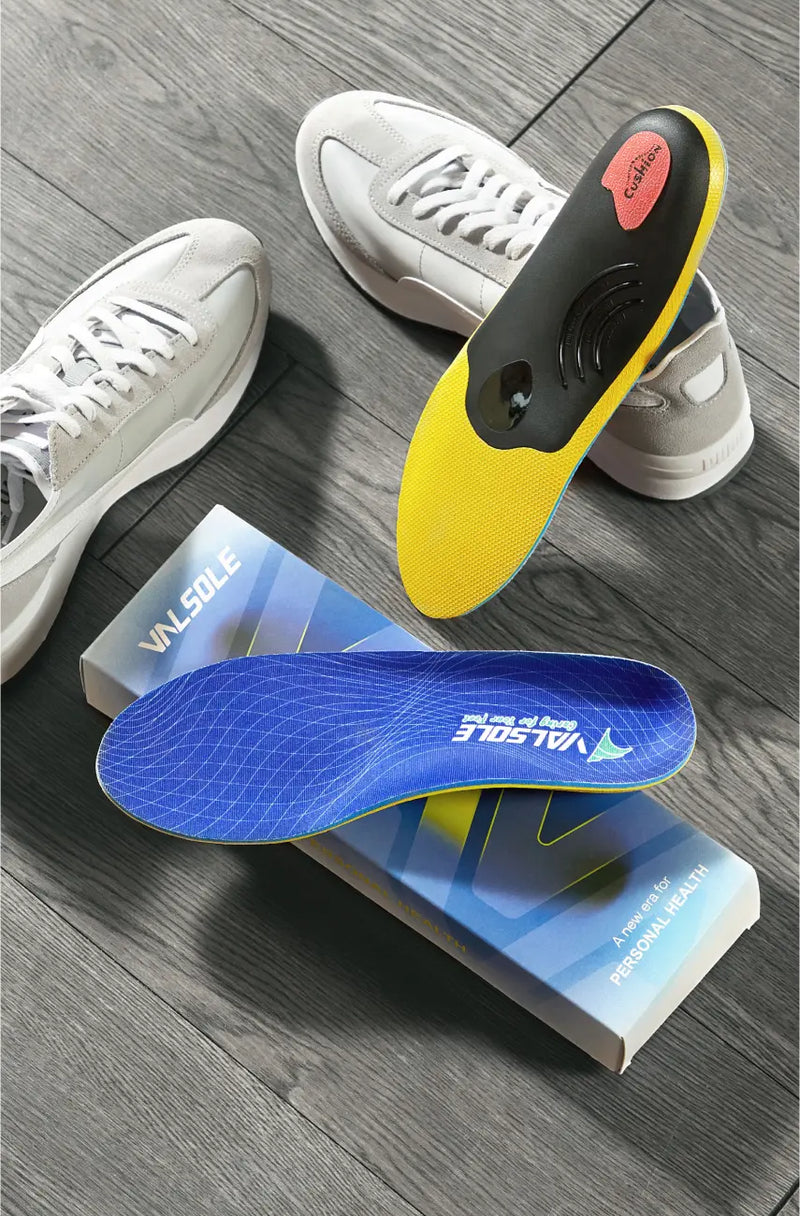
For a concrete-floor workday, start with the shoes you actually wear and how you move through the shift. VALSOLE Heavy Duty is an option to compare for a firmer support feel when the closed shoe has a removable liner and enough room. The floor surface alone does not identify one best insole.
| Your routine | Your fitting priority | Next step |
|---|---|---|
| Standing at one workstation | Comfortable arch contact and a secure heel while standing; sufficient room above the foot. | Compare the support feel without forcing pressure under the arch. |
| Repeated walking between stations | Toe movement and heel seating during walking, as well as standing. | Check the same setup in both activities with your usual socks. |
| A mixed shift in work boots | Replacement permission, liner shape and boot depth come first. | Use the work-boot fitting guide before selecting an insert. |
| Shoes already feel crowded | Look at the complete shoe-and-sock setup. | Do not assume adding an insert or extra length fixes limited depth. |
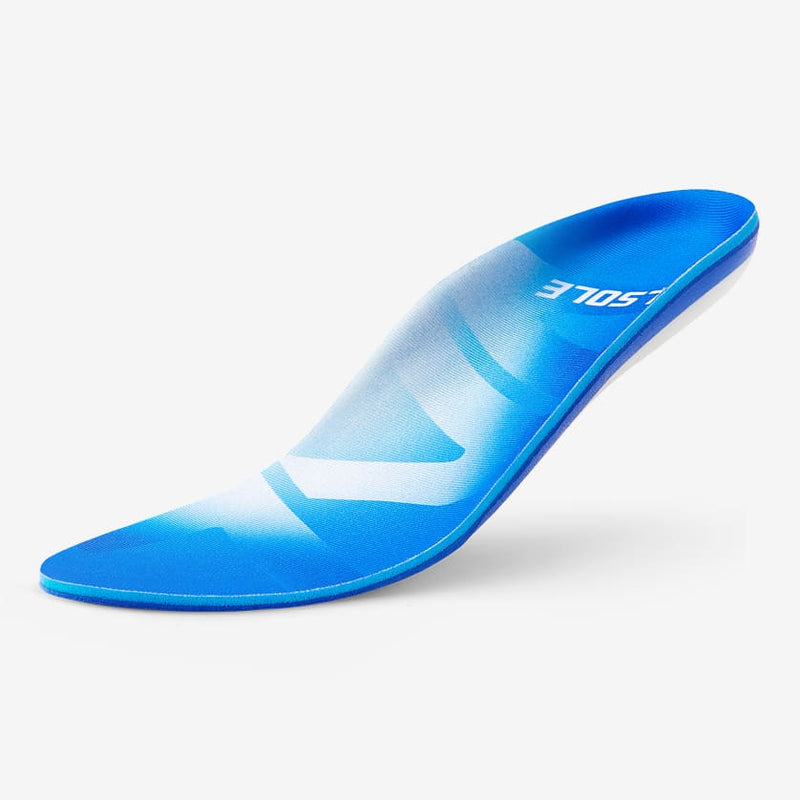
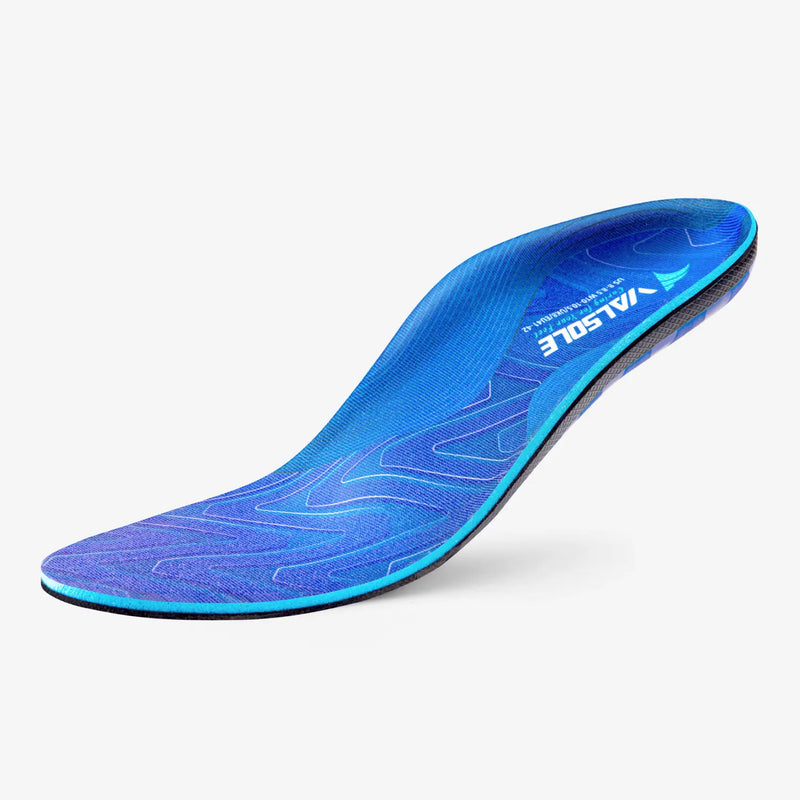
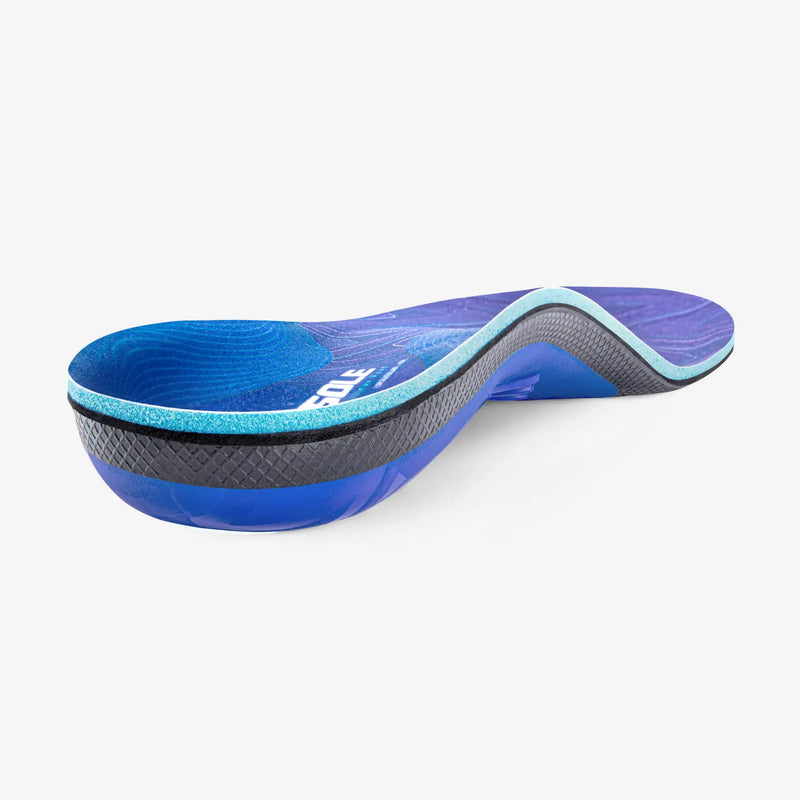
Heavy Duty is VALSOLEβs firmer in-shoe support option for suitable closed work shoes. Body weight, shift length or hard floors do not establish a guaranteed comfort outcome. Check whether the arch contour feels comfortable and whether your heel remains seated after the replacement.
Check Heavy Duty product details and sizes Β· Use Quick Match if shoe room or support preference is unclear.
No. A structured feel is a preference to compare. Sharp arch pressure, crowded toes or a displaced heel are reasons to reconsider the setup, rather than evidence that you need to force a break-in period.
Check both with the same shoes and socks. This page does not report a full-shift wear test or promise one setup suits every routine.
If boot fit is the question, start with work boot insoles. For a longer fitting walkthrough, read the standing and walking on concrete guide. For the general selection question, use the standing-all-day buying guide.
Prepared by VALSOLE and checked against its product information on October 14, 2026. This is brand-authored selection guidance. No independent wear test or measured comfort result is presented. Check the product page for current size options, prices, availability and policies.
For standing or walking all day on concrete, compare support feel and shoe fit together. Heavy Duty is the firm-support route; Stable Support is an alternative for everyday walking. Neither is a universal best choice: check arch contact, heel hold and toe room before committing to a full shift.
Mostly standing? Start by comparing a firmer feel with the support you already find comfortable. Heavy Duty is one option, not a guarantee that every foot needs rigid support.
Walking warehouse aisles or mixing standing and walking? Check heel hold and whether your toes have room during movement. Compare Stable Support if you prefer the everyday support route. A comfortable standing fit is only the first check; try walking in your usual work socks too.
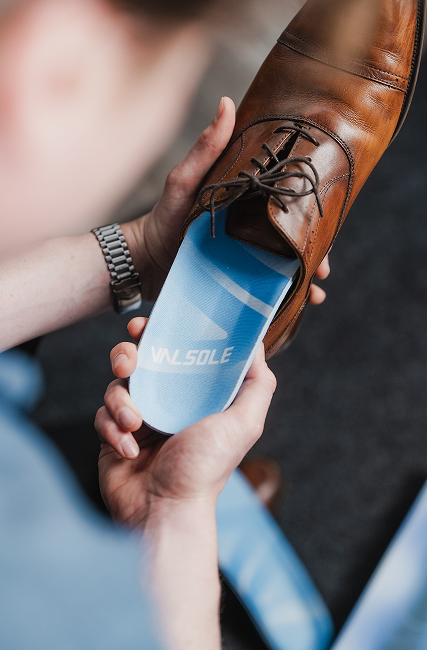
Wearing work boots? Check whether the original liner is removable. Do not assume that stacking two insoles will fit. Use the current product size guide and check toe room before ordering; the same boot size does not guarantee the same internal space.
Before a full shift: try a short period first. Stop if you develop new pain, numbness or concentrated arch pressure. Insoles do not replace well-fitting footwear or individual clinical advice.
Move from concrete-floor intent into heavier insole support, standing-all-day guidance, and work-boot fit decisions.
There is no single best insole for every person standing on concrete. Compare a firm option such as Heavy Duty with your preferred support feel, then check arch contact, heel hold and toe space in your actual work shoes. Start with a short wear period rather than assuming a full shift will be comfortable.
Concrete can make fatigue build because the surface gives very little. Shoes may cushion the step, but many shoppers still need more arch shape and heel support inside the shoe.
Compare Heavy Duty if you prefer firm support, and Stable Support for an everyday support alternative. Your shift length alone does not determine the choice. Check each product description and size guide, then assess shoe space and how the arch contact feels while standing and walking.
No. They can be used in work shoes, walking shoes, and boots as long as the fit is stable and the insole does not crowd the shoe.
Loading size guideβ¦