
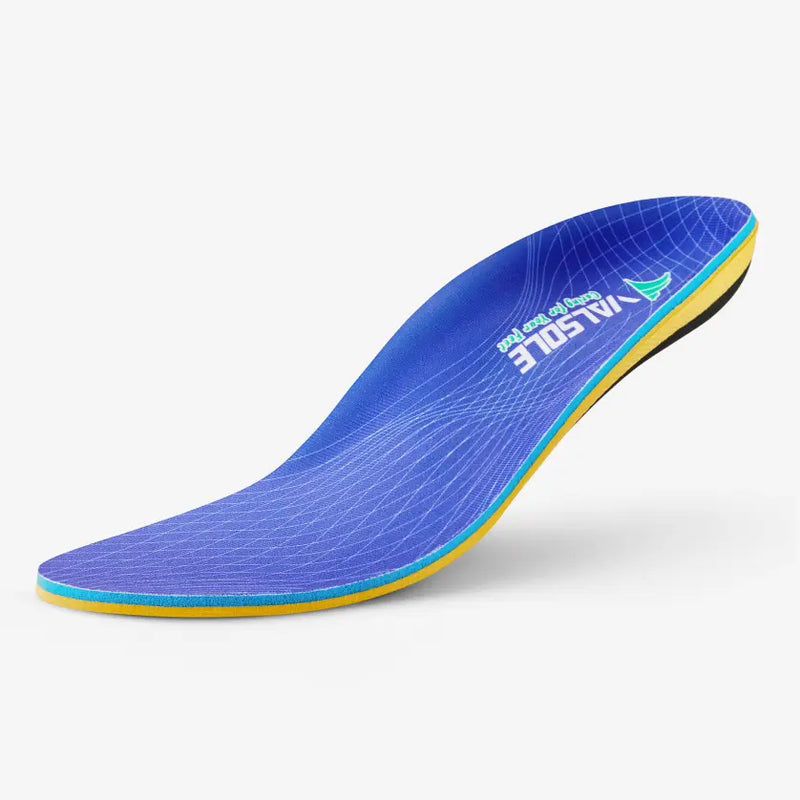
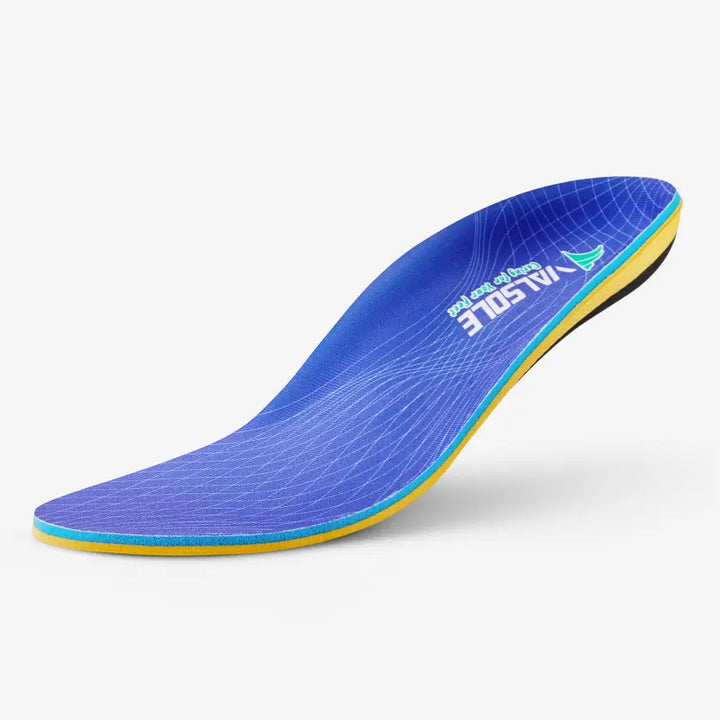
Heavy Duty
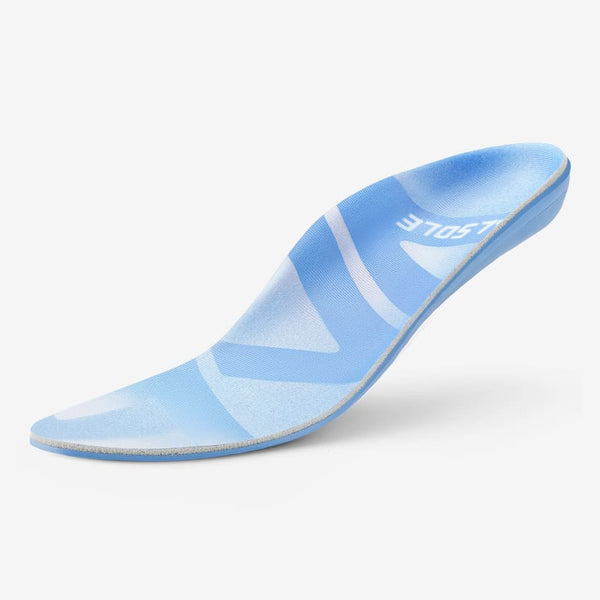
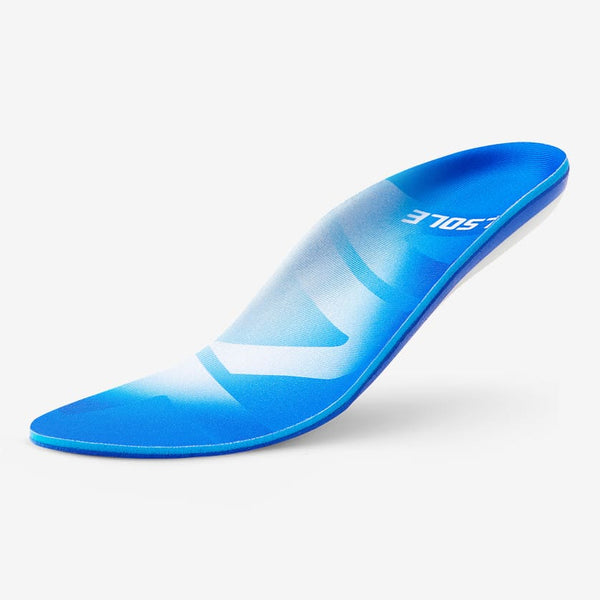
Strong arch support and pain relief for flat feet, plantar fasciitis, and heel pain....
$35.98$39.99
View product


If you stand for long hours, the best setup is usually a stable shoe with a firm heel structure plus a semi-firm arch-support insole that keeps shape through the full shift. Most people improve fastest when they stop chasing “maximum softness” and instead prioritize stability, pressure distribution, and predictable end-of-day comfort. In practical terms, that means your heel stays centered during turns, your arch does not collapse by mid-shift, and your pain trend improves over 7-10 days instead of fluctuating wildly day to day.
Plantar fasciitis from standing is a cumulative-load problem. You need a system that works at hour ten, not just minute ten. If your setup feels great in the morning but deteriorates by evening, support retention is likely the missing piece.
On hard floors, every micro-shift in posture sends repetitive load into the heel and plantar fascia with minimal surface absorption. That repeated stress can irritate tissue faster than people expect, especially when shoes lose structure or when insoles compress too quickly. The common pattern is morning first-step pain, followed by dull arch fatigue and reduced stride confidence later in the day.
The goal is not zero sensation, but controlled load. A good configuration lowers peak pressure spikes, reduces compensatory gait changes, and keeps movement mechanics more consistent from first hour to last hour.
Use this table by matching your dominant work condition first, then selecting the support profile that still feels stable at end-of-day. If symptoms are mixed, choose the more stable option for your highest-load shift and reassess after one week.
| Work scenario | Shoe priority | Insole profile | Common mistake |
|---|---|---|---|
| Long standing on concrete | Firm heel counter + stable base | Semi-firm arch + cushioned heel cup | Using soft foam that bottoms out by midday |
| Mixed walking and standing | Moderate firmness + toe-box room | Balanced support with shape retention | Choosing rigid support without fit check |
| Higher body-load shifts | Durable midsole + rearfoot control | Reinforced support, slower compression set | Keeping worn shoes and replacing only insoles |
Change one variable at a time. Keep your shoe, sock, and shift pattern as consistent as possible, then adjust either support intensity or footwear structure, not both. This isolates cause and effect so you can see what actually improves heel pain, arch fatigue, and post-shift recovery.
A practical ramp works well: wear the new setup 2-4 hours on day one, then increase daily use over 5-7 days if no new pressure hotspots appear. If pain shifts to a new location instead of decreasing, recalibrate support level or shoe volume before switching product category.
Rate three markers after each full shift: heel pain intensity, arch fatigue onset time, and calf tightness. Sustainable improvement means all three trend better over the same week. If one improves while two worsen, your current configuration is likely compensating rather than solving the core load problem.
Use trend-based decisions instead of one-day decisions. One comfortable day can be random; 7-10 days of better stability usually indicates the setup is truly compatible with your workload.
For next steps, review Plantar fasciitis relief guide, compare support options in Heavy Duty insole and Fascia Soothe insole, and confirm sizing with the Size guide before finalizing your daily setup.
Shop the products most relevant to the support path discussed in this article.

Keep reading with symptom-based guides and compare support options for your pain profile.


Loading size guide…