




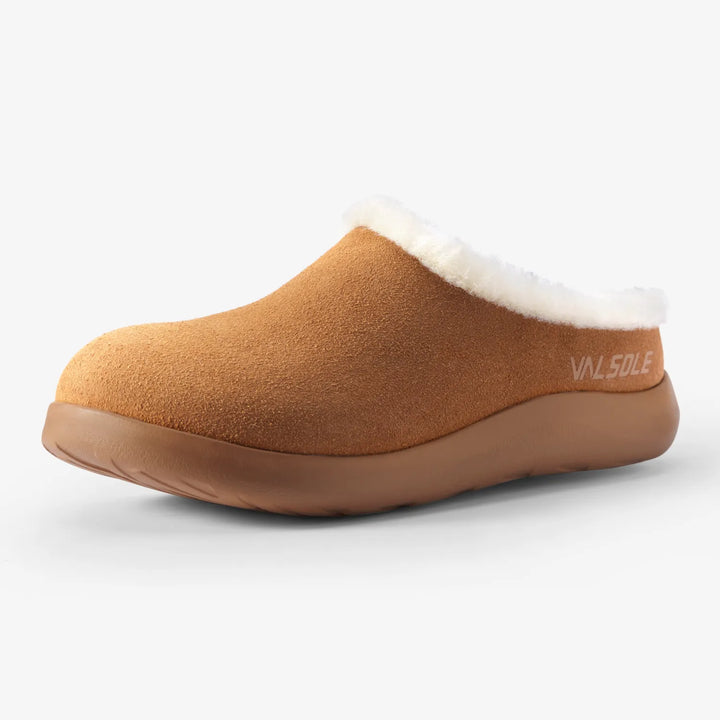
Hearth Clog
The Hearth Clog provides structured everyday stability and thermal comfort for users 220 lbs+,...
$59.99$89.99
View product


Arch support in work shoes solves only one part of the day. After long standing hours, many people move onto hard floors at home, barefoot or in flat slippers, and lose the support continuity that protected them earlier. Recovery slippers are useful when post-shift soreness rises during low-load home activity, not only during work itself.
The question is not whether your work shoes are good enough, but whether your recovery phase is creating a second avoidable stress cycle.
Judge recovery footwear by what happens after the shift, not by how supportive the work shoe feels at noon.
| Observed pattern | Interpretation | Best next move | Success marker |
|---|---|---|---|
| Heel pain spikes after shoes come off | Support continuity is breaking at home | Add recovery slipper indoors | Less evening soreness on hard floors |
| Pain stays controlled until next morning | Recovery phase is acceptable | Keep current setup | No added post-shift flare-up |
| Home pain plus swelling and fatigue | Post-shift load exceeds barefoot tolerance | Use recovery footwear and shorten barefoot time | Better first-step comfort next day |
Work shoes are built for control during active load, often with a firmer structure and longer wear tolerance. Recovery settings are different: shorter steps, slower pace, and frequent standing on kitchen or bathroom floors. What feels stable during the shift can still feel too rigid or inconvenient at home, which leads many people to remove support entirely. Recovery slippers solve that gap by making support easier to keep during low-intensity hours.
Consistency matters more than maximum structure if the goal is to reduce evening symptom rebound.
You may not need an extra recovery pair if evening pain stays low, home floors are forgiving, and you already maintain support indoors with another stable option. Adding products without a clear recovery-phase problem usually increases clutter rather than outcomes. The better threshold is simple: if taking off work shoes does not trigger a second pain cycle, the extra layer may not be necessary.
Use the Plantar fasciitis relief guide to separate work-load pain from recovery-phase pain before you add another category.
For five days, track evening heel soreness, minutes tolerated on hard indoor floors, and next-morning first-step pain. Wear recovery slippers only during the first 90-120 minutes after work, when symptoms usually rebound. If two of the three measures improve, the recovery pair is doing meaningful work. If there is no change, your primary issue is probably still happening during the shift itself.
That result helps you decide whether to invest in indoor recovery support or instead upgrade your main daytime setup.
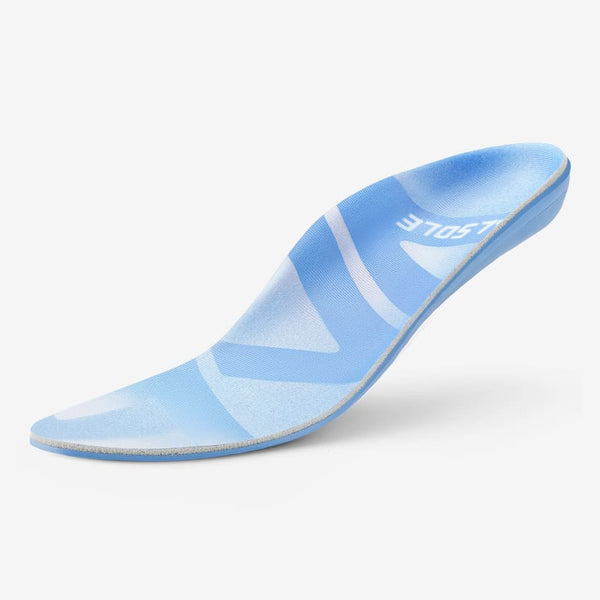
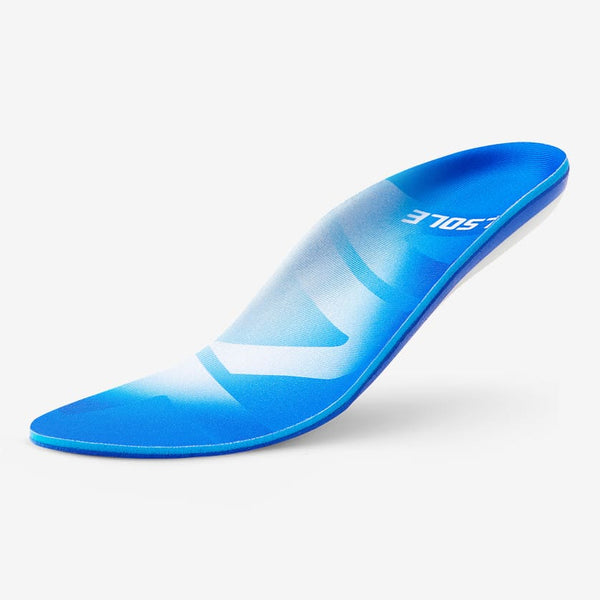
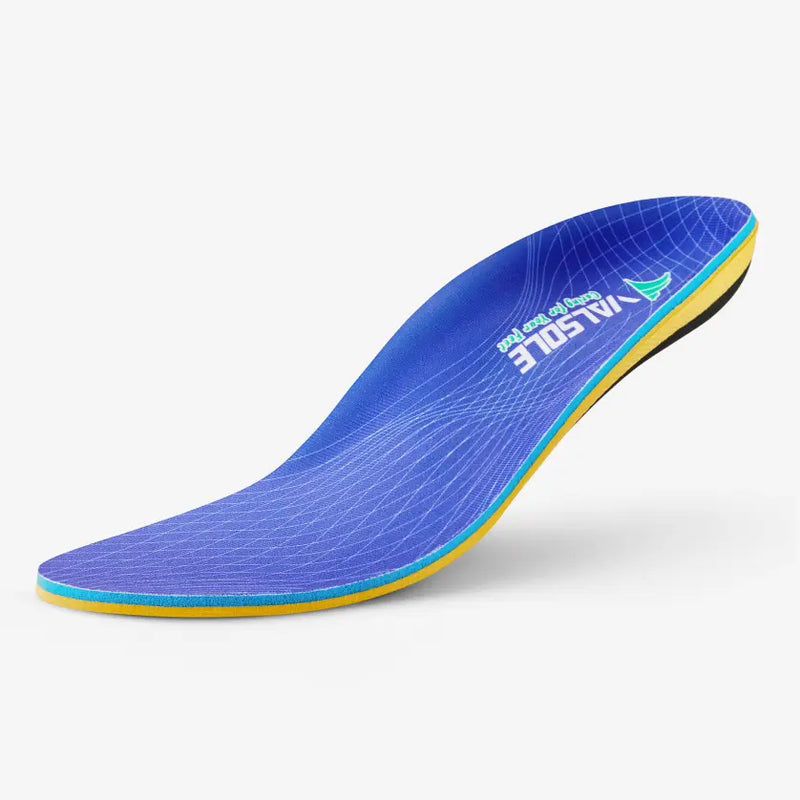
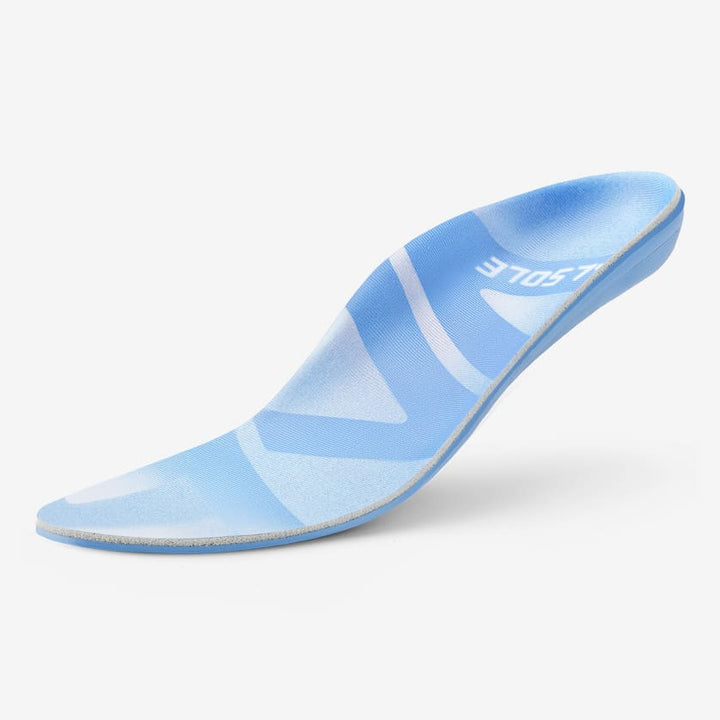
For next steps, benchmark daytime support with Stable Support insole, review indoor continuity options with Hearth Clog, and compare symptom timing in the Plantar fasciitis relief guide.
Shop the products most relevant to the support path discussed in this article.

Keep reading with symptom-based guides and compare support options for your pain profile.


Loading size guide…


