


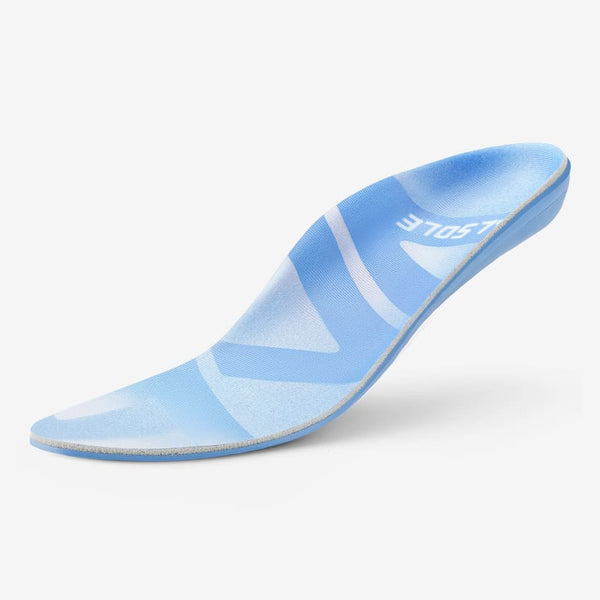
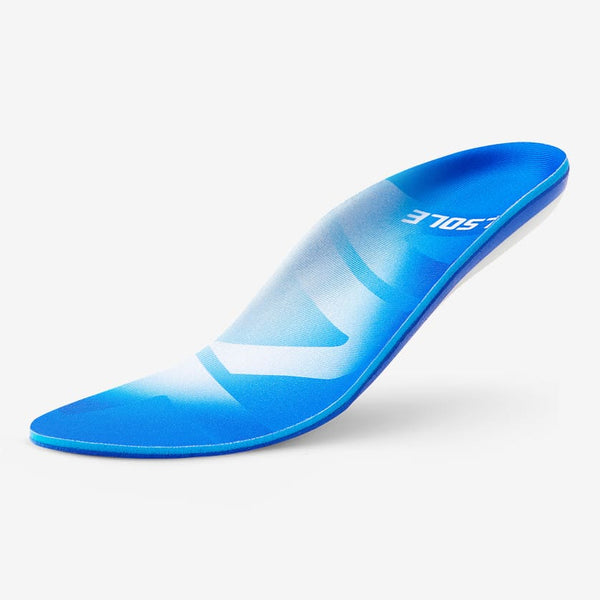
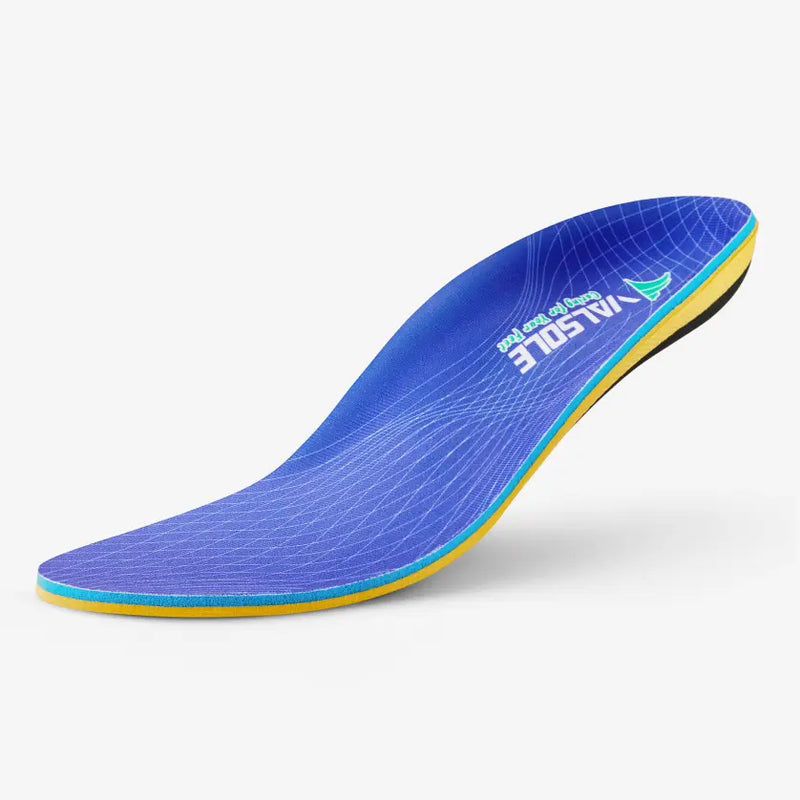


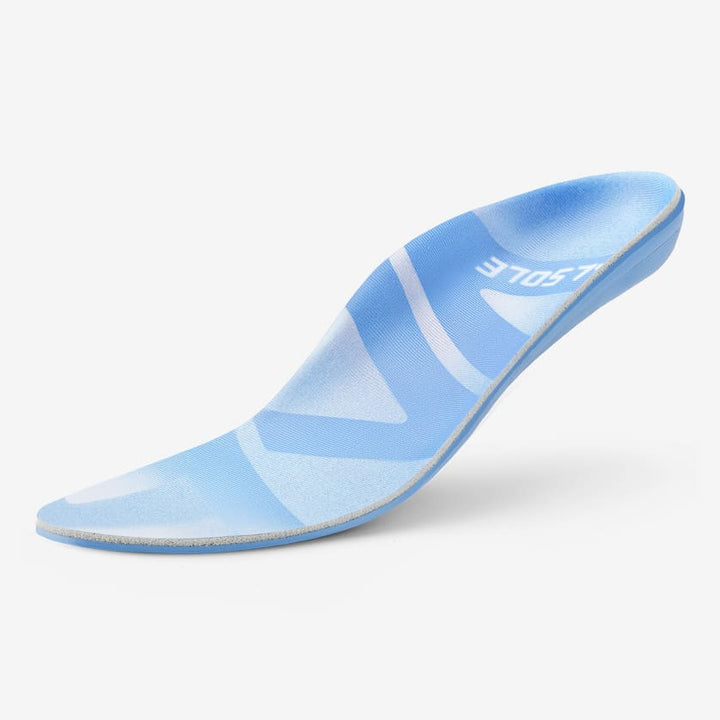
Fascia Soothe
Step into relief. VALSOLE Fascia Soothe insoles are purpose-built for people who know what...
$37.99$39.99
View product


Soft cushioning can reduce discomfort quickly, but plantar fasciitis usually improves more reliably when the arch and heel remain stable under repeated load. If an insert feels great for one hour and fails by midday, that is not a cushioning problem alone, it is a support-retention problem. The strongest outcomes usually come from a balanced setup: stable arch guidance, controlled heel loading, and enough cushioning to avoid harsh impact spikes.
In short, comfort is necessary but not sufficient. You need comfort that survives your real schedule, not just your first impression.
Use this comparison to avoid false choices. Most people do not need “only soft” or “only rigid”; they need a support profile matched to symptom pattern and daily load.
| Claim | What happens short-term | What happens over a full day | Practical takeaway |
|---|---|---|---|
| “Softer is always better” | Feels comfortable immediately | May compress and lose control by midday | Check stability at end-of-day, not only first-step feel |
| “Rigid support is always best” | Improves structure quickly | Can create hot spots if shoe volume is limited | Use the lowest effective support that remains stable |
| “Pain means support is wrong” | Minor adaptation can happen initially | Trend over 7-10 days is more meaningful | Evaluate pattern, not one day |
Good support keeps shape under your body load, keeps the heel centered during turns, and prevents arch collapse as fatigue rises. These are mechanical outcomes, not marketing words. If any of these fail during your longest standing block, the support profile or shoe pairing needs adjustment.
Test under real conditions: same shoes, same socks, same routine. Consistent conditions help you separate true support performance from random comfort fluctuations.
Track three checkpoints daily: first-step pain, mid-shift fatigue, and end-of-day soreness. Change only one variable at a time, such as support intensity or shoe platform, so the result is interpretable. If two checkpoints improve and one worsens, you are probably close but still mismatched in either arch intensity or heel control.
At day seven, choose the setup with the most stable trend across all checkpoints. Consistency across the week usually predicts better long-term symptom control than dramatic one-day comfort.
Before purchasing, confirm that your insole still supports after a full workday, your heel stays centered on turns and stairs, and pressure is distributed instead of concentrated under one arch point. If toe-box space shrinks too much after insertion, change shoe depth first before changing support philosophy.
The best choice is the one you can wear consistently across your highest-load days without creating a new pain pattern.
For next steps, review Plantar fasciitis relief guide, compare support logic in the Arch support guide, and use Stable Support insole as a benchmark when validating all-day support retention.
Shop the products most relevant to the support path discussed in this article.

Keep reading with symptom-based guides and compare support options for your pain profile.


Loading size guide…


