
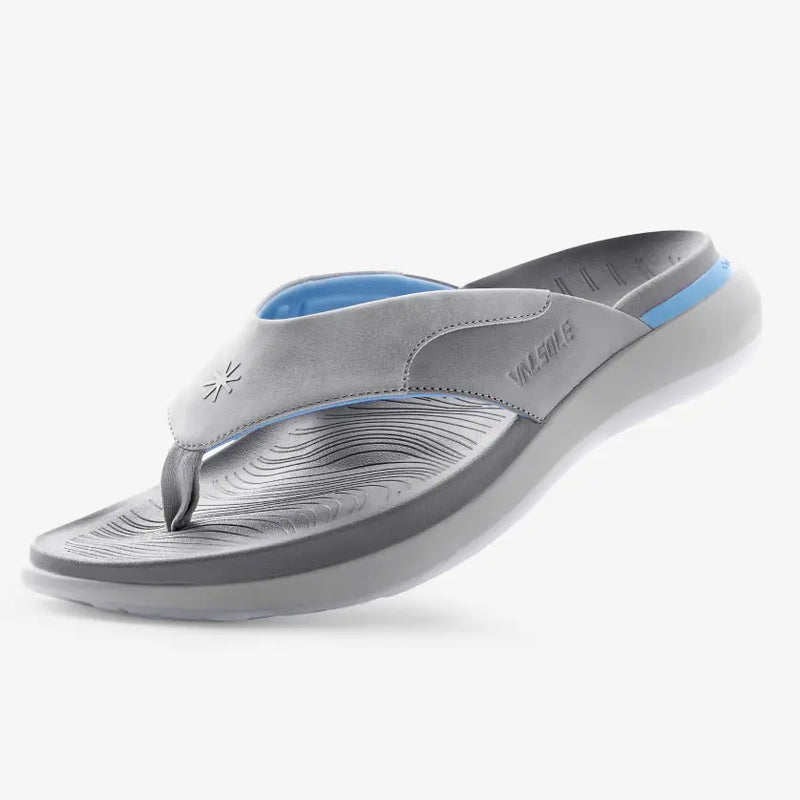
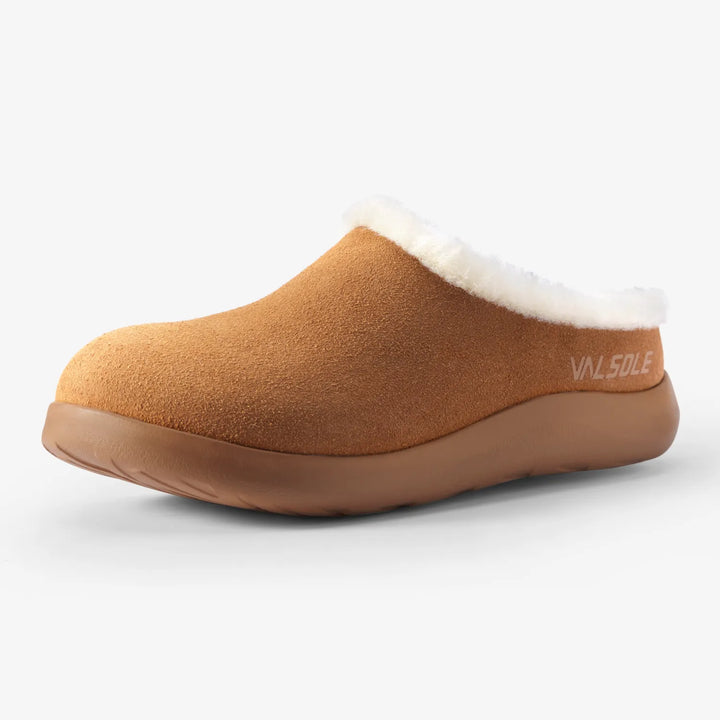
Hearth Clog
The Hearth Clog provides structured everyday stability and thermal comfort for users 220 lbs+,...
$69.99$89.99
View product


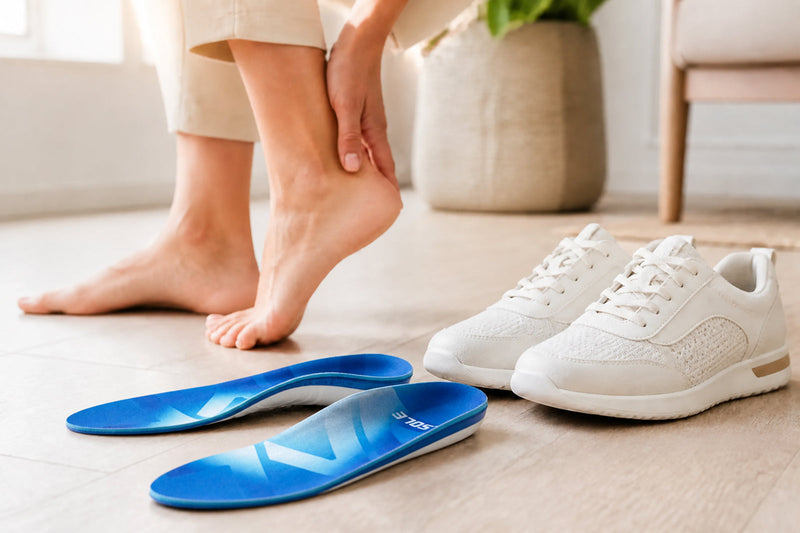
When your feet hurt after standing all day at work, replacing everything at once is rarely the smartest move. A better approach is to figure out whether the problem comes from shoe stability, worn-out cushioning, poor fit, or an insole profile that no longer matches your workday.
Upgrade the part of your setup that is failing first, not the part that only looks older.
When you stand all day at work and your feet still hurt, it is tempting to replace shoes and insoles at the same time. But that usually makes the decision harder, not easier. If your shoe base is unstable, a better insole may only help a little. If the shoe is still structurally sound, upgrading the insole first is often the faster and less expensive move. The right first upgrade depends on where the support system is actually breaking down.
The goal is not to buy more at once. The goal is to identify whether the shoe, the insole, or the fit is the main reason your standing setup stops working.
You can usually find the right first upgrade by looking at when symptoms start and how the shoe behaves under load. If the outsole is worn unevenly, the heel counter is soft, or the whole shoe feels sloppy during turns, the shoe is probably the limiting factor. If the shoe still feels stable but your feet feel tired late in the shift, the insole may no longer be giving enough structure. If the setup feels cramped after support is added, fit and volume may be the real issue.

If the shoe is still structurally sound, upgrading the insole first is often the smarter test because it changes the support logic without forcing a full shoe replacement. This is especially useful when your main complaint is late-shift fatigue, heel soreness, or post-work rebound instead of obvious shoe collapse. The product you test should match the exact failure pattern rather than a generic comfort goal.
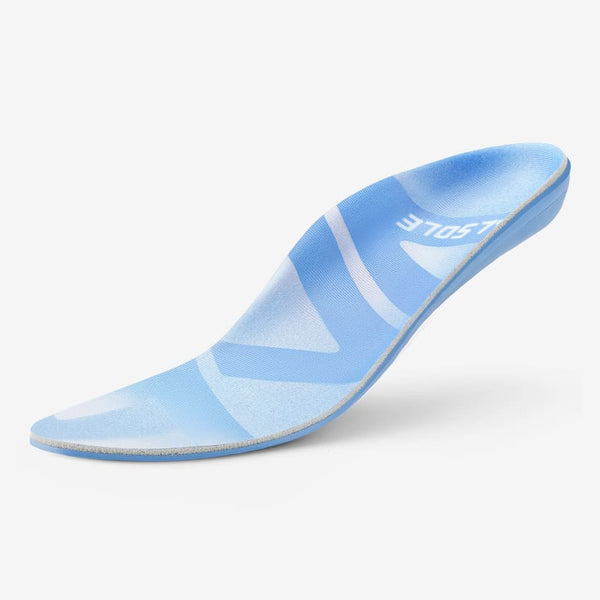
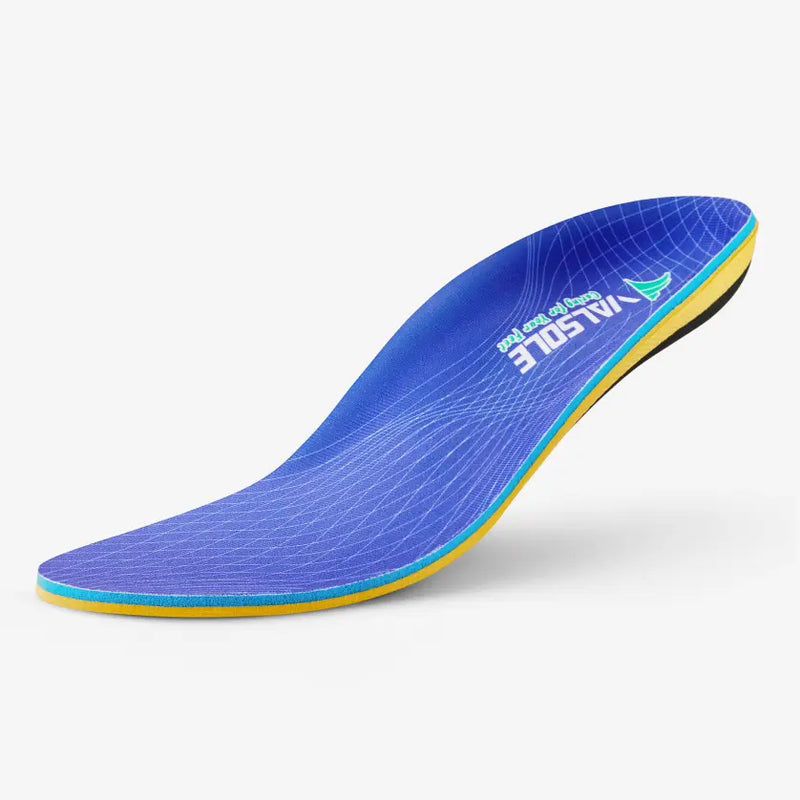
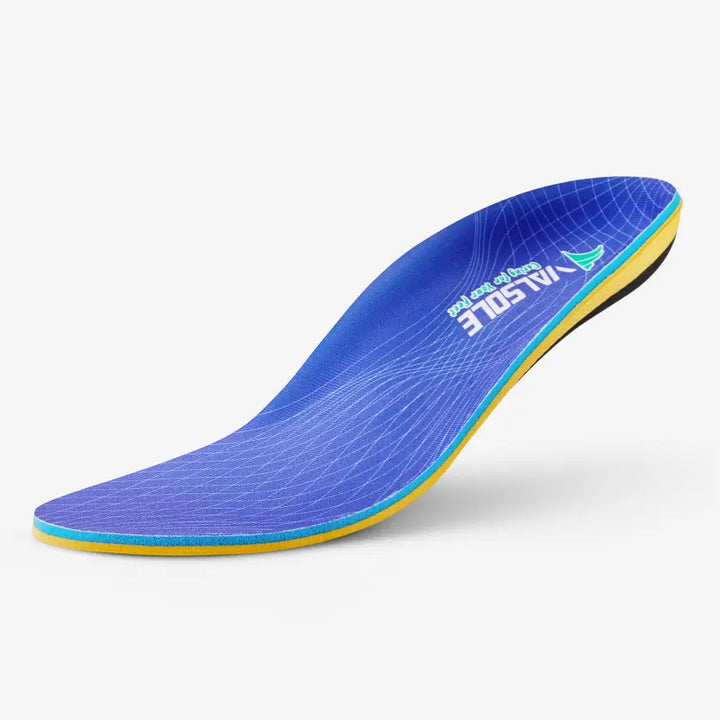
Stable Support insole is the best first test when your shoes still feel stable but your feet get tired too early in the day.
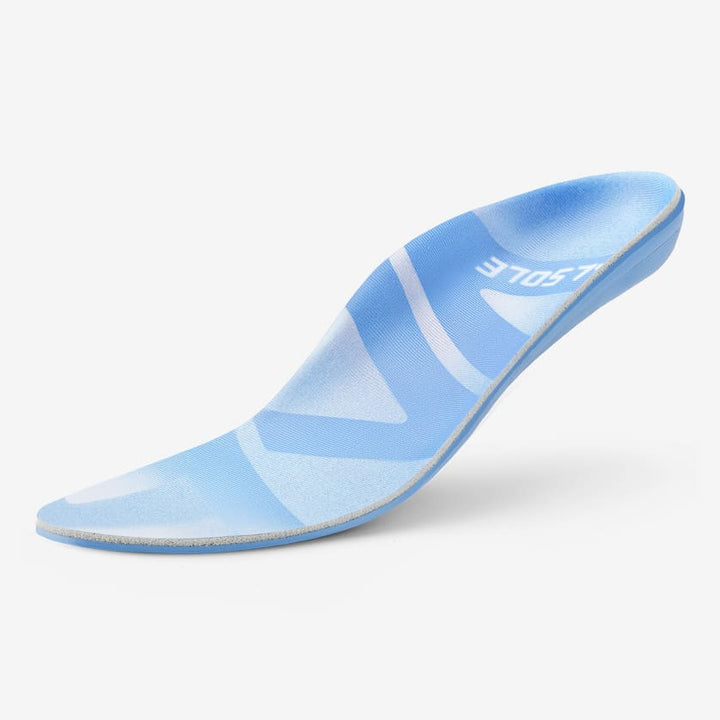
Heel Relief insole makes more sense when the shoe feels acceptable overall but the heel is clearly the first place that gives out.
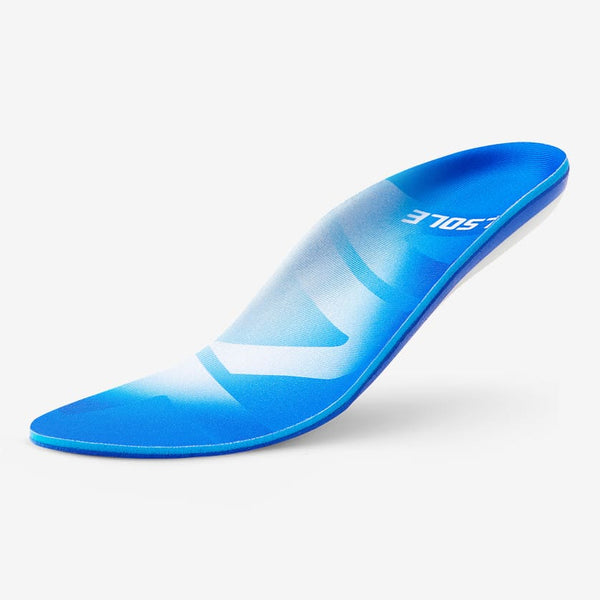
Heavy Duty is the better insole-first move when your environment is harsher, the shifts are longer, and softer options stop helping too soon.
Hearth Clog helps when the setup feels tolerable at work but falls apart after shoes come off and the recovery phase becomes the new problem.
Before replacing anything, use the Size Guide to rule out fit conflict and compare broader support levels in the Arch Support Guide.

Most people asking whether shoes or insoles should be upgraded first are really asking how to stop wasting money on the wrong test. The best answer usually comes from the failure pattern, not from how old the product looks.
Should I replace shoes or insoles first for standing all day at work?
Replace the part that is failing first. If the shoe feels unstable, replace the shoe. If the shoe still feels stable but your feet get tired too soon, test an insole first.
How do I know my shoes are the real problem?
Look for wobble, heel collapse, outsole wear, or a general feeling that the shoe no longer holds your foot securely.
How do I know the insole is the problem?
The shoe still feels fine structurally, but your feet feel more tired than they should. In that case, try Stable Support insole or Heavy Duty depending on the floor and shift load.
What if support makes the shoe feel too tight?
That usually means volume is part of the issue. Re-check the Size Guide before you assume the insole itself is wrong.
Can recovery footwear count as an upgrade?
Yes. If the work setup is decent but soreness rebounds after shoes come off, Hearth Clog may improve the recovery side of the system.

If you want fewer wrong upgrades, join the VALSOLE email list for fit tips, support comparisons, and the current new-subscriber offer. It helps you make better shoe-and-insole decisions without restarting from scratch every time comfort changes.
After you subscribe through the site email signup, keep the Size Guide and Insoles collection saved, and email support@valsole.com if you want a closer recommendation.
For next steps, compare support levels in the Arch Support Guide, review fit limits in the Size Guide, study symptom overlap in the Plantar Fasciitis Relief Guide, and browse the full Insoles collection.
If your setup still feels basically stable, test the insole first. If the shoe platform is collapsing, stop forcing the insole to fix what the shoe can no longer do. The smartest first upgrade is the one that solves the first real failure point in your standing setup.
Start with Stable Support insole for balanced fatigue control, use Heel Relief insole for heel-dominant pain, compare Heavy Duty for harsher work conditions, and add Hearth Clog if recovery is the weak link. Check fit first in the Size Guide or compare all options in All products.
Shop the products most relevant to the support path discussed in this article.
Keep reading with symptom-based guides and compare support options for your pain profile.


Loading size guide…